
Tungsten Carbide Plates
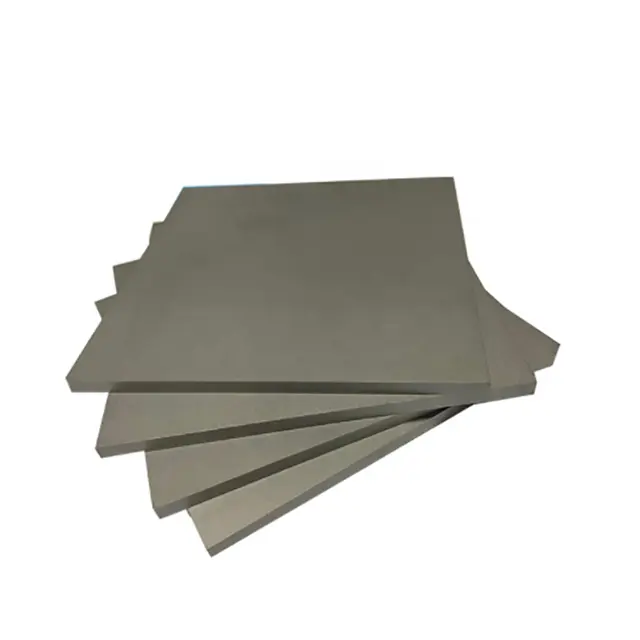
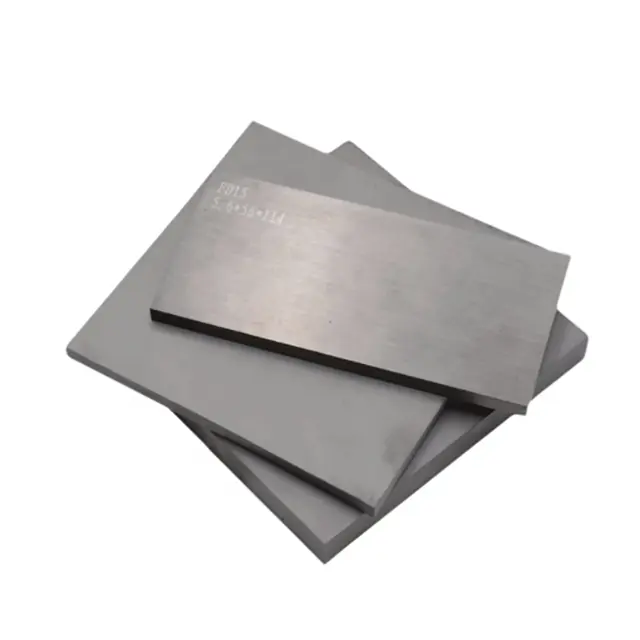
Tungsten carbide alloy plates are powder metallurgy-made products with tungsten carbide as the hard phase and cobalt as the binder, boasting high hardness, wear, high-temperature and corrosion resistance, and are suitable for cutting tools, wear-resistant linings, molds and other industrial fields.
Products Provided by Kedel
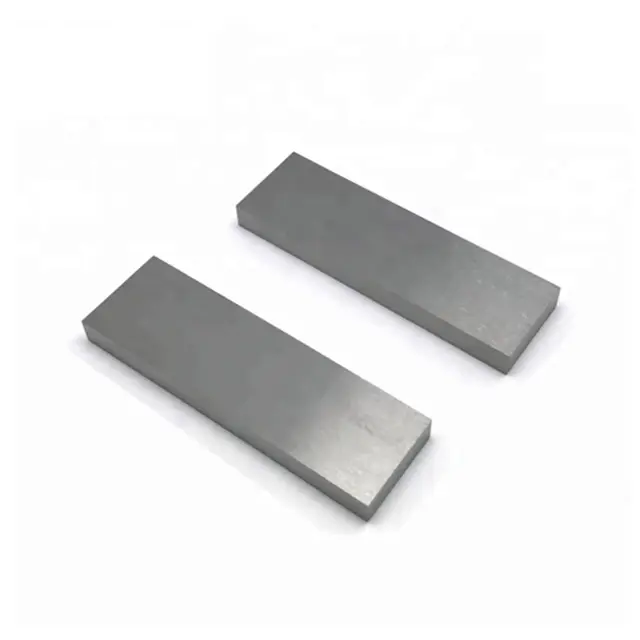
Tungsten Carbide Alloy Strips: Strip-shaped functional materials with high hardness, wear resistance & high-temperature resistance, sintered via powder metallurgy.
Application Scenarios of Plates
Tungsten carbide plates, with wear resistance, high hardness, and impact resistance, are widely used in wear-intensive industrial sectors like mining, metallurgy, petrochemicals, machinery, and aerospace.

Mining Industry
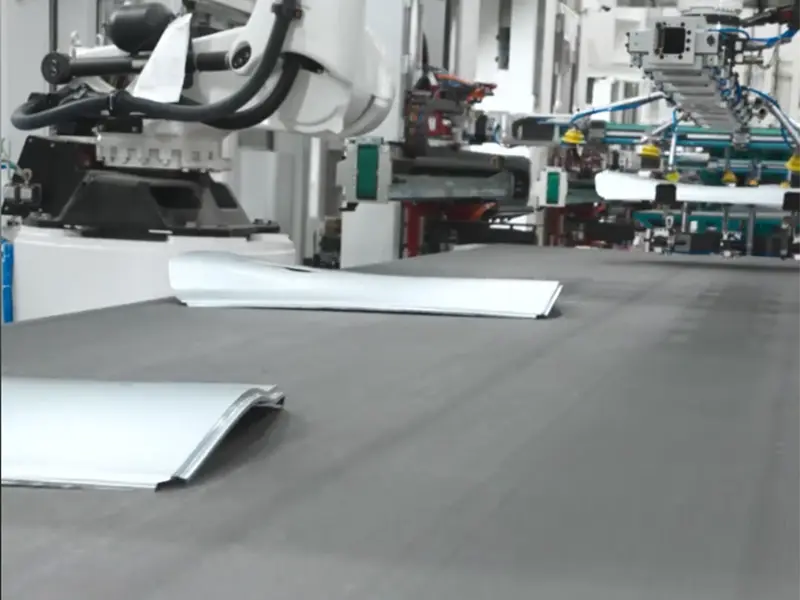
Mold & Die Industry
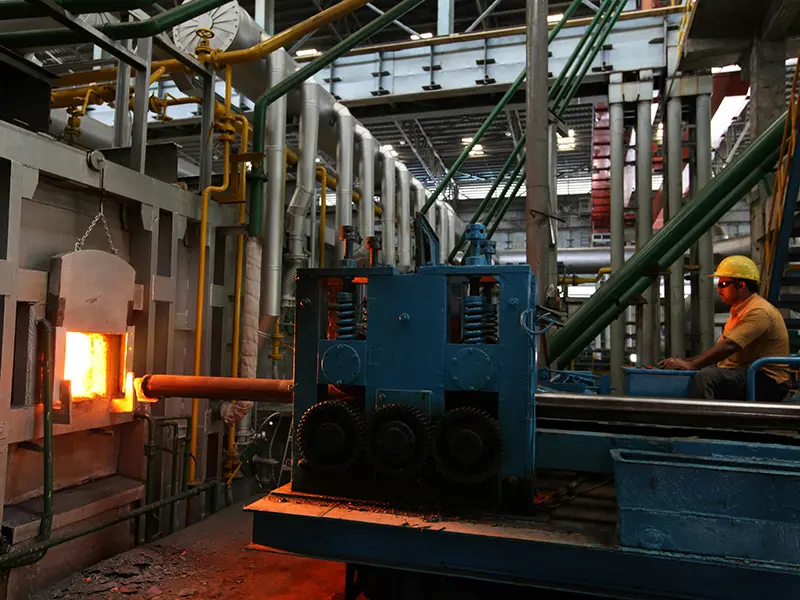
Metallurgical Industry

Medical Industry
Can’t find the type you’re looking for?
Want to customize a suitable tungsten carbide alloy plate? Please provide the equipment adaptation information, the performance standards for the plate (such as hardness, precision, etc.), and the actual operating environment (temperature, corrosion and other working conditions), and the engineer will customize the solution and communicate with you within 72 hours.
What is a tungsten carbide alloy Plates?
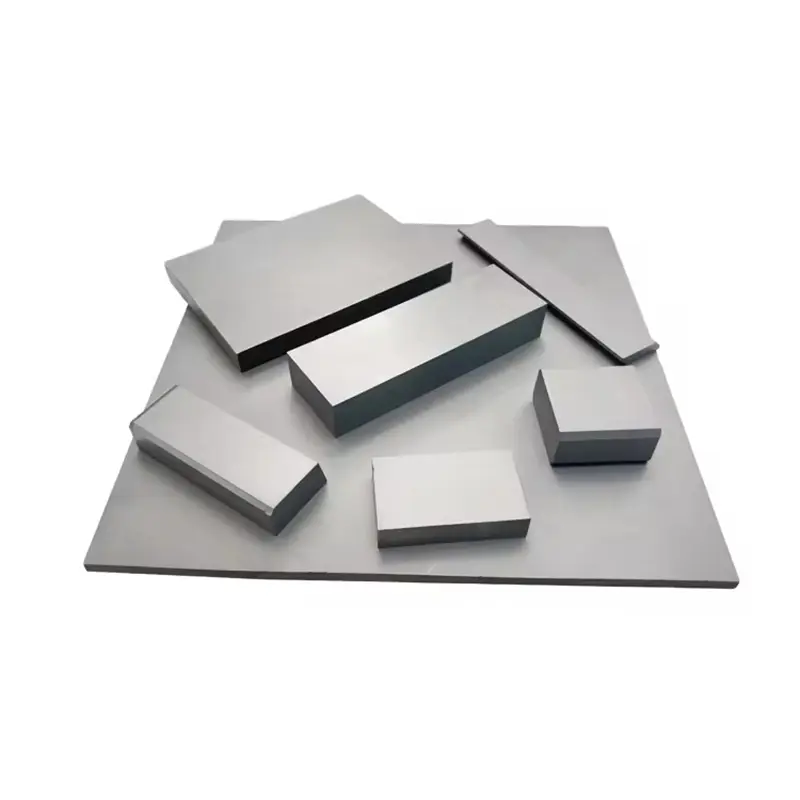
Tungsten carbide plates are precision-manufactured components with tungsten carbide as the core material, adaptable to diverse industrial scenarios. Boasting high hardness (HRA 89 or above), outstanding wear resistance, and balanced toughness, they can operate steadily in high-pressure, high-abrasion, or elevated-temperature environments. Their primary role is to offer high-strength structural support and abrasion resistance for molds, wear-resistant parts, and precision components, ensuring machining accuracy, prolonging service life, and withstanding impact and corrosion. They are pivotal materials in advanced manufacturing fields including mold making, mining equipment, chemical machinery, and aerospace.
What parameters need to be understood ?
Understanding these parameters helps accurately select and apply tungsten carbide plates.
Material Composition and Grades
| Category | Description | Key Points | Examples |
|---|---|---|---|
| Tungsten (W) and Cobalt (Co) Content | Tungsten carbide alloys (cemented carbides) mainly consist of tungsten carbide (WC) and cobalt (Co), with cobalt serving as the binder phase. The cobalt content directly affects the alloy’s toughness and hardness. |
|
|
| Other Alloying Elements | Some alloys add additional elements to improve specific properties like high-temperature resistance and corrosion resistance. | Alloys may include titanium carbide (TiC), tantalum carbide (TaC), niobium carbide (NbC), etc. | YT-series alloys (with TiC) for stainless steel machining. |
Physical and Mechanical Property Parameters
| Category | Description | Key Points | Examples |
|---|---|---|---|
| Hardness | Expressed by Vickers hardness (HV) or Rockwell hardness (HRA). Higher hardness indicates stronger wear resistance. | Hardness correlates with wear resistance; HV/HRA are common measurement standards. |
|
| Flexural Strength | Reflects the alloy’s resistance to bending fracture, measured in MPa. | High-cobalt alloys exhibit higher flexural strength, improving impact resistance. |
|
| Density | Tungsten carbide alloy density ranges from ~14–15.6 g/cm³. |
| Alloys with WC-rich compositions (e.g., low-cobalt grades) approach 15.6 g/cm³. |
| Thermal Conductivity and Coefficient of Thermal Expansion | Alloys with good thermal conductivity avoid deformation from heat accumulation in high-temperature environments. | Thermal conductivity directly influences suitability for high-temperature applications (e.g., molds, cutting tools). |
|
Specification And Dimensional Parameters
| Category | Description | Key Points | Examples/Details |
|---|---|---|---|
| Plate Thickness, Width, Length | Dimensions of tungsten carbide plates, covering thickness, width, and length parameters. |
|
|
| Surface Precision | Characteristics of the plate’s surface quality, including roughness and flatness. |
|
|
Processing And Application Parameters
| Category | Description | Key Points | Examples/Details |
|---|---|---|---|
| Application Scenarios | Clarify the application field (e.g., mining, machining, ballistic protection, etc.), and suppliers can recommend suitable grades based on requirements. |
|
|
| Processing Requirements | Whether subsequent processing (e.g., cutting, drilling, grinding) is needed. |
| Diamond tools are required for machining high-hardness tungsten carbide plates (e.g., for cutting/drilling operations). |

