
Are your industrial blades dulling too fast? This constant wear costs you money and time. Tungsten carbide, known as "industrial teeth," is the durable solution you need.
Tungsten carbide is a composite material made from tungsten carbide powder and a binder metal like cobalt. I've seen it firsthand in my 15 years of manufacturing. It's famous for being extremely hard and wear-resistant, making it perfect for cutting tools, mining tips, and other industrial parts.
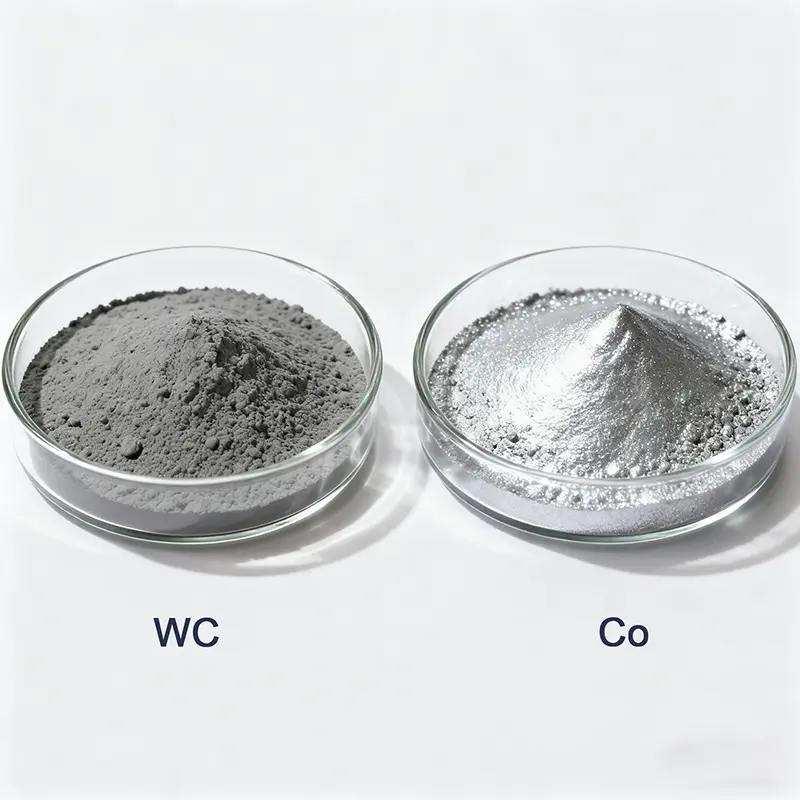
You've heard it's tough, but what really makes it that way? It's not just a simple metal. The magic is in its unique structure. I've spent over a decade working with this material, and its properties still impress me. But to truly understand its value, we need to look closer at its composition. So, what exactly gives it this legendary hardness?
Why is tungsten carbide so hard and wear-resistant?
Do your tools fail under high pressure or heat? This can lead to production stops and damaged workpieces. Tungsten carbide's unique structure provides the stability and strength you're missing.
The hardness comes from its composite nature. Hard tungsten carbide particles are held in a softer, tougher binder metal like cobalt. Think of it like concrete: the hard gravel (tungsten carbide) provides strength, while the cement (cobalt) holds it all together and prevents shattering.
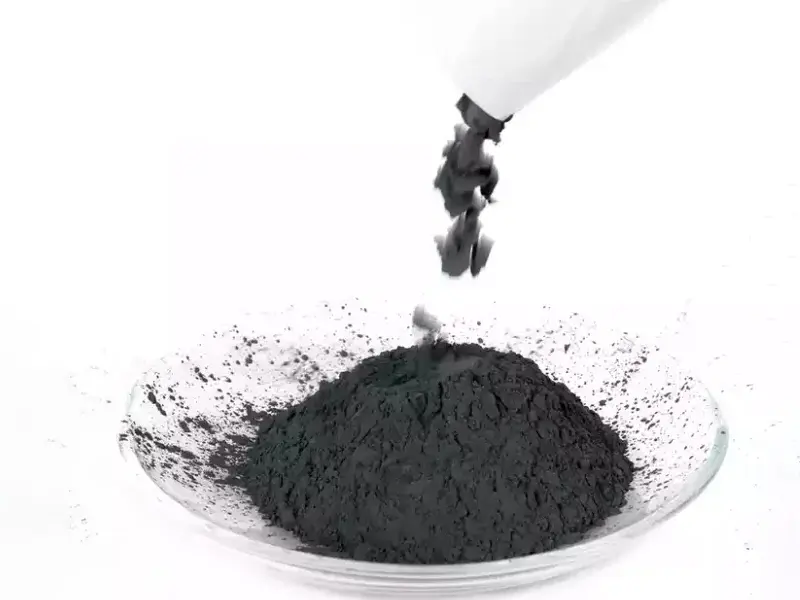
To understand its strength, you have to look at its two main parts. The first part is the tungsten carbide (WC) grains. These grains are incredibly hard, which gives the material its ability to cut and resist wear. The second part is the binder metal, which is usually cobalt (Co). Cobalt is not as hard, but it is much tougher. It acts like a glue, holding all the hard WC grains together. This structure is the key. Without the cobalt binder, a tool made of pure tungsten carbide would be extremely hard but also very brittle, like glass. It would shatter easily. The cobalt gives it toughness, which is the ability to absorb impact without breaking. In our factory in Chengdu, we carefully adjust the amount of cobalt. More cobalt makes the tool tougher but a little less hard. Less cobalt makes it harder but more brittle.
Adjusting Properties with Cobalt
| Cobalt % | Hardness (HRA) | Toughness | Typical Use Case |
|---|---|---|---|
| Low (3-6%) | 92-94 | Lower | Fine finishing, wood cutting |
| Med (8-12%) | 89-91 | Medium | General metal cutting |
| High (15-25%) | 85-88 | Higher | Mining, impact tools |
This ability to fine-tune the properties is why tungsten carbide is so useful for so many different jobs.
How is tungsten carbide made?
Ever wonder how a simple powder becomes one of the hardest materials on earth? The process seems complex and secretive. I'll walk you through the key steps we use daily.
It's made through a process called powder metallurgy. We mix fine tungsten carbide and cobalt powders, press them into a desired shape, and then heat them in a furnace. This process, called sintering, fuses the particles together into a dense, solid part without melting the main material.
The process starts with very fine powders. We take tungsten carbide powder and cobalt powder and mix them together in a large mill. This ensures every particle is coated evenly. We also add a temporary wax binder to help the powder stick together for the next step.
The Manufacturing Steps
Pressing
Once the powder is mixed, we press it into the shape of the final part. This is done in a high-pressure press that compacts the powder into a solid piece. At this stage, the part is fragile and is called a "green" part. It feels like a piece of chalk.Sintering
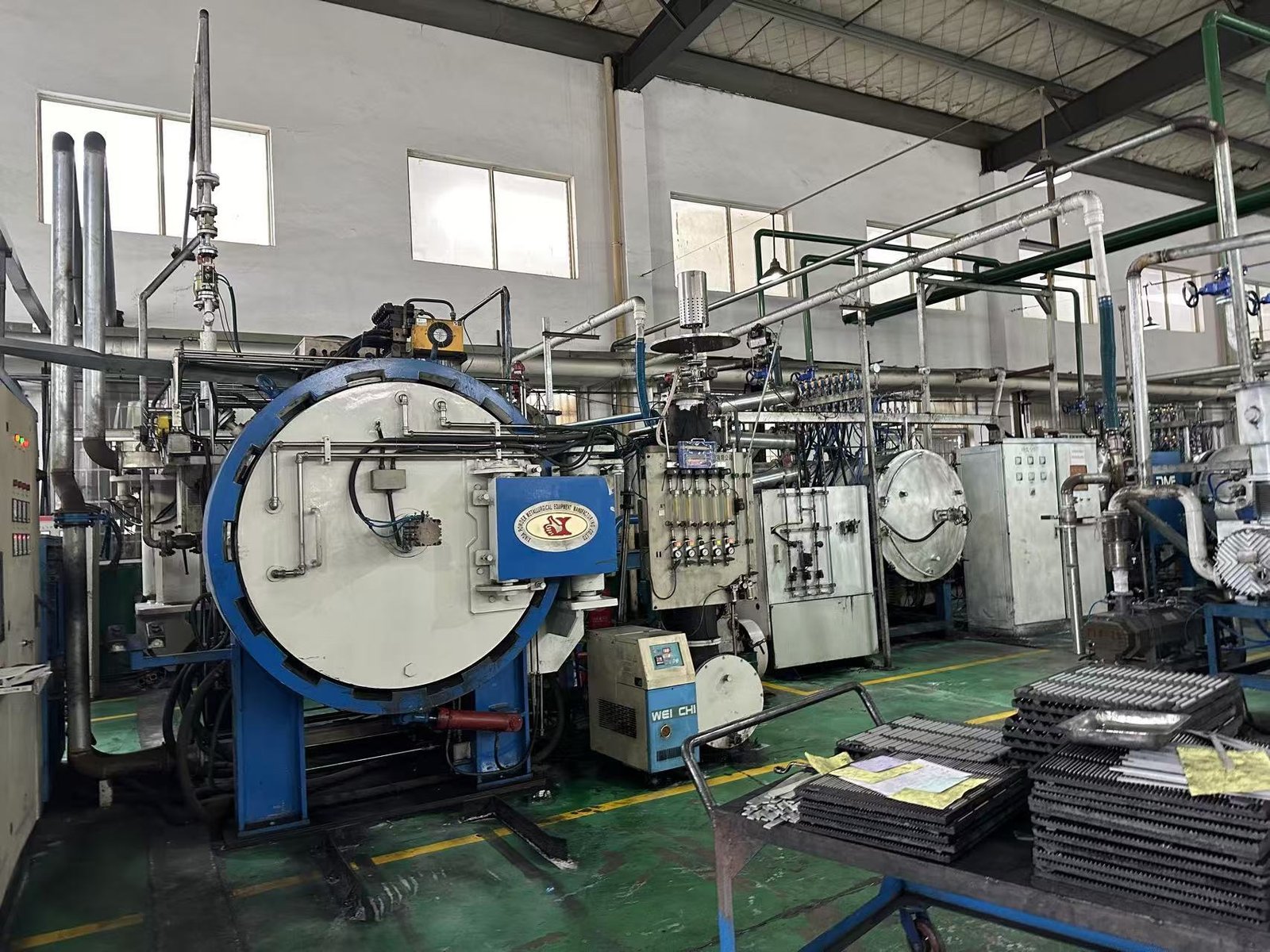
This is the most important step. We place the green parts into a special high-temperature furnace. The furnace removes the air and heats the parts to around 1,400°C. At this temperature, the tungsten carbide itself doesn't melt. But the cobalt binder does. The liquid cobalt flows and pulls all the tungsten carbide grains tightly together, eliminating the empty spaces. During this process, the part shrinks by about 20%. I still remember the first time I saw a part come out of the sintering furnace. It was amazing to see how much smaller and heavier it had become. This is the moment the material gets its incredible hardness.Finishing
After sintering, the part is extremely hard. We can't use normal steel tools to shape it anymore. We must use diamond grinding wheels to grind it to its final exact dimensions.
What are the common uses of tungsten carbide in industry?
Are you unsure if tungsten carbide is right for your specific application? You see it everywhere, but its versatility can be confusing. Let me show you where it truly shines.
Its main uses are in applications needing extreme wear resistance. This includes cutting tools like inserts and end mills, mining and drilling tools, and wear parts for machinery. I've manufactured blades for everything from paper cutting to metal shearing. It's the go-to material for tough jobs.
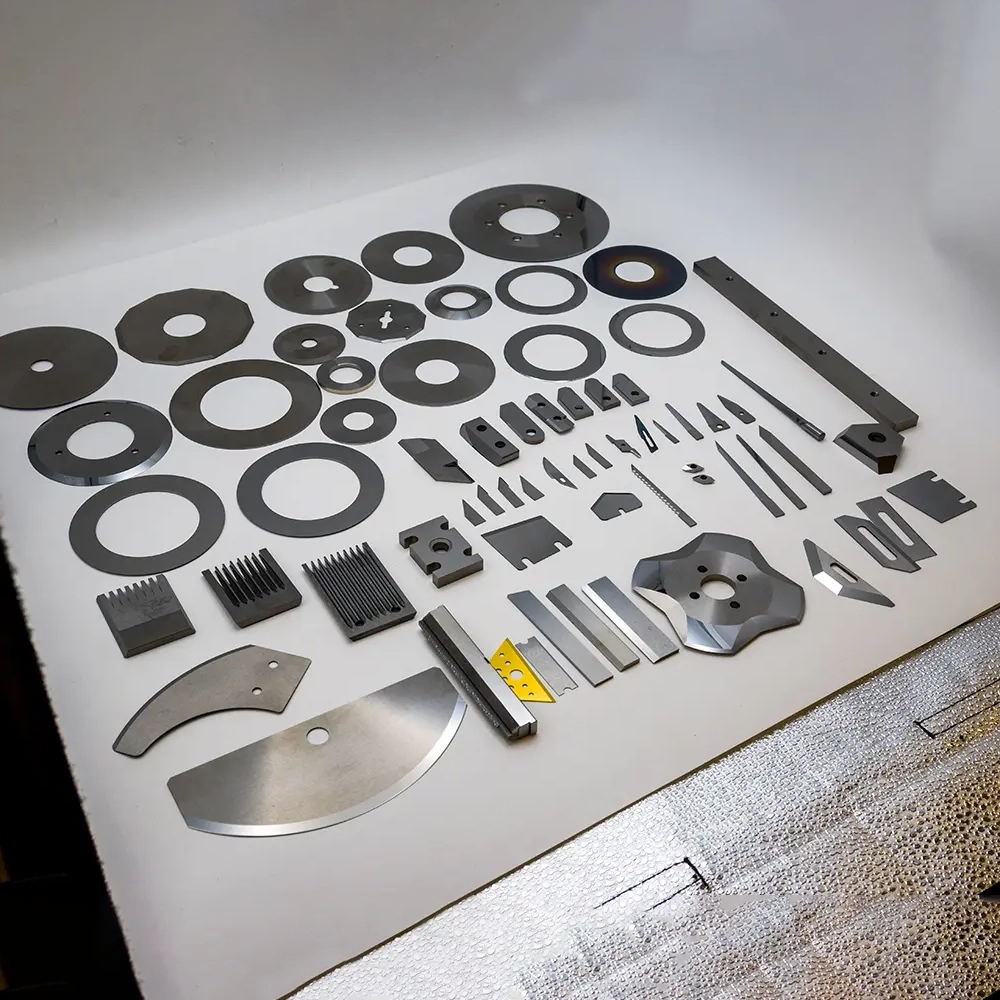
Because we can change its properties, tungsten carbide is used in many different industries. I call it "industrial teeth" because it does the hard work of biting, cutting, and grinding in so many places. As a manufacturer of industrial blades for 15 years, I've seen its power up close. We produce blades that cut everything from delicate paper to thick steel plates. The key is choosing the right grade of carbide for the job. For our customers, who are equipment suppliers and distributors, understanding these applications is very important. It helps them serve their own customers better. Below are the main areas where tungsten carbide is the top choice.
Key Application Areas
| Category | Examples | Why Carbide is Used |
|---|---|---|
| Cutting & Machining | End mills, drills, lathe inserts, slitting blades | Resists high heat from fast cutting speeds, long life |
| Mining & Construction | Drill bits, tunnel boring cutters, road planing tips | Extreme toughness to handle impact and abrasion |
| Wear Parts | Sandblasting nozzles, pump seals, wire-drawing dies | Resists constant friction and erosion |
| Consumer Goods | Ballpoint pen tips, knife sharpeners, jewelry (rings) | Extreme hardness for durability and scratch resistance |
This versatility shows that if you need a part to last a very long time under tough conditions, tungsten carbide is often the best answer.
How does tungsten carbide compare to other hard materials?
You hear about steel, diamond, and ceramics. It's hard to know which is best. Choosing the wrong one means poor performance. Let's compare them to see where carbide fits.
Tungsten carbide is harder than any steel but not as hard as diamond. However, it's much tougher and less brittle than both diamond and most industrial ceramics. This unique balance of high hardness and good toughness makes it the most practical choice for many industrial cutting applications.
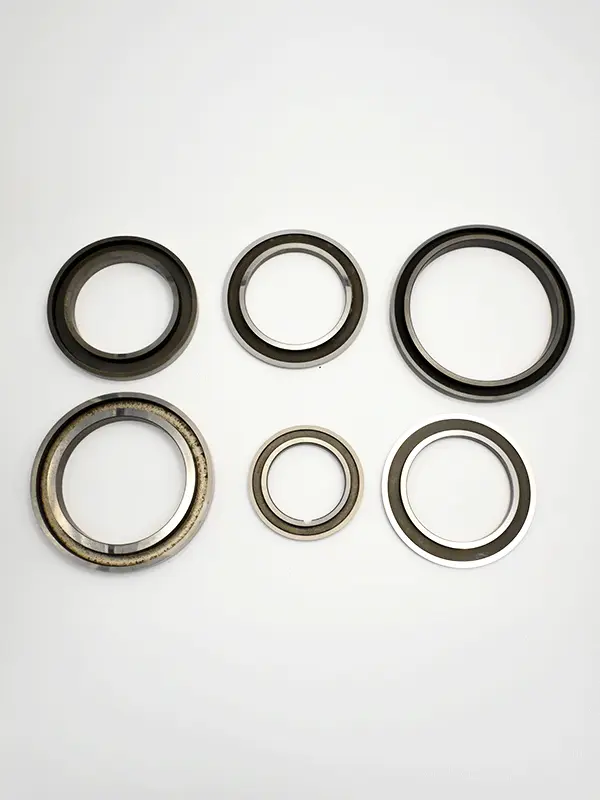
Choosing the right material is about finding the best balance of properties for your specific job. No single material is perfect for everything. Let's look at how tungsten carbide fits in with other common industrial materials. Many of my customers ask me why they should choose our carbide blades over blades made from High-Speed Steel (HSS). The answer is usually speed and life. HSS is a great material and is tougher than carbide. But it gets soft when it gets hot. Tungsten carbide stays hard even at very high cutting temperatures. This means you can run your machines faster and change tools less often. It's a simple trade-off: a higher initial cost for carbide leads to much lower operating costs and more production. It's the same when comparing carbide to ceramics or diamond. Each one has a place where it works best.
Material Comparison
| Material | Hardness | Toughness | Best For |
|---|---|---|---|
| High-Speed Steel (HSS) | Good | High | Lower speeds, high-impact cutting, cheaper tools |
| Tungsten Carbide | Very High | Medium | High-speed cutting of steels, general use |
| Ceramics | Extremely High | Low | Very high-speed finishing, cast iron |
| Diamond (PCD) | Ultimate | Low | Non-ferrous materials like aluminum, composites |
In the end, tungsten carbide is the most versatile workhorse. It has the best combination of hardness and toughness for the widest range of industrial jobs.
Conclusion
Tungsten carbide is an essential industrial material. Its unique combination of hardness and toughness makes it the "industrial teeth" for cutting, mining, and wear applications across many industries.

