
Carbide Drill
A carbide drill is a cutting tool equipped with helical flutes. It removes material through rotation to create cylindrical holes in workpieces across various manufacturing sectors.
Products Provided by Kedel
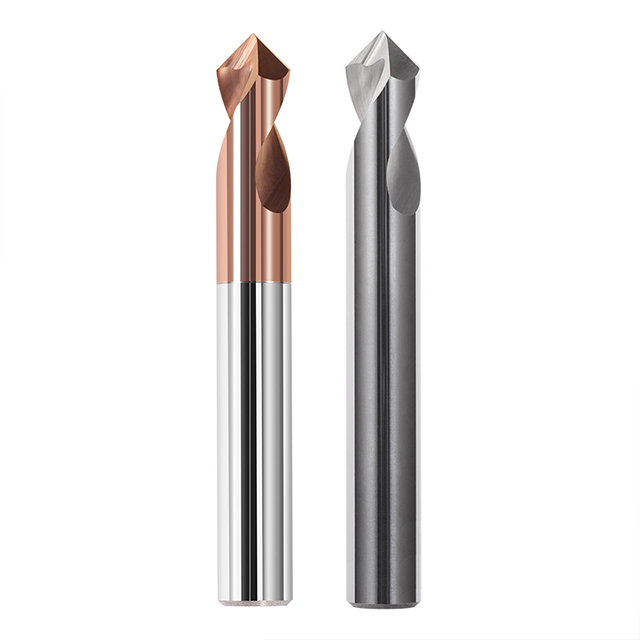
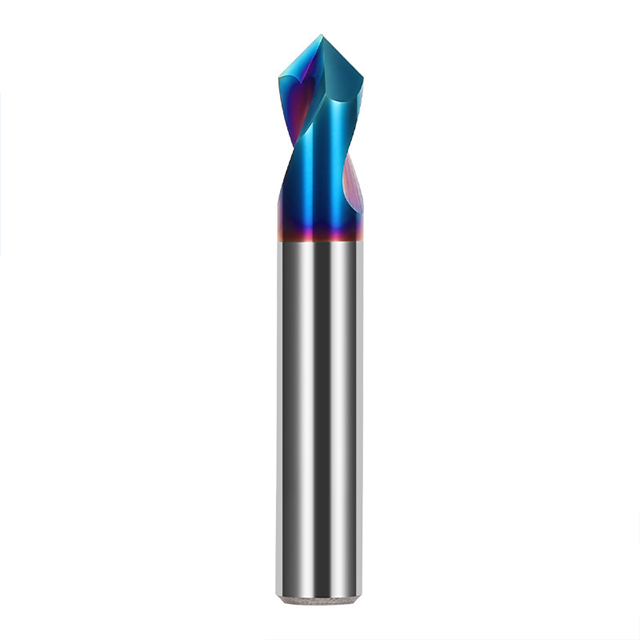
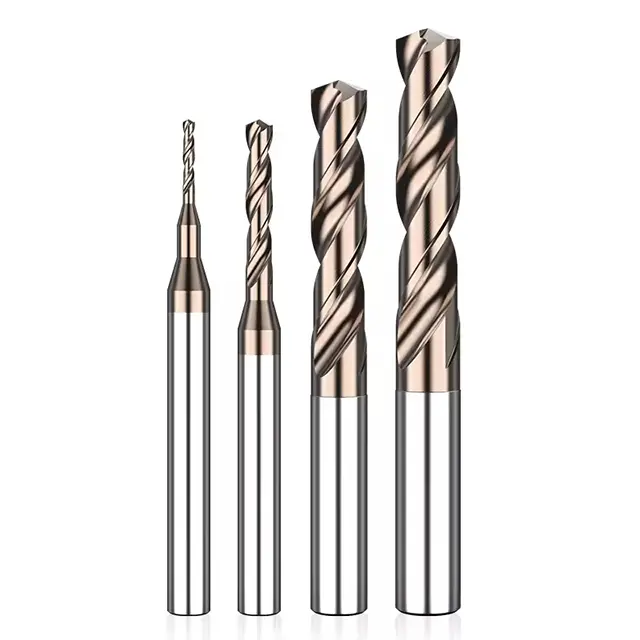
Need custom blades? We design and make them
Application Scenarios
With flexible cutting performance, carbide drills cover diverse scenarios—from industrial precision manufacturing to daily civilian processing, and from conventional materials to special materials—adapting to hole-making needs in different fields.
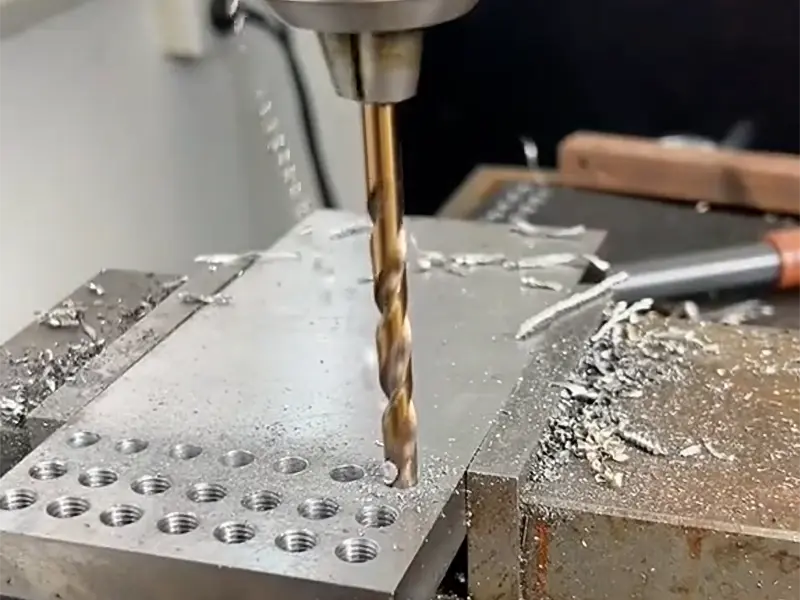
Metal Processing Field
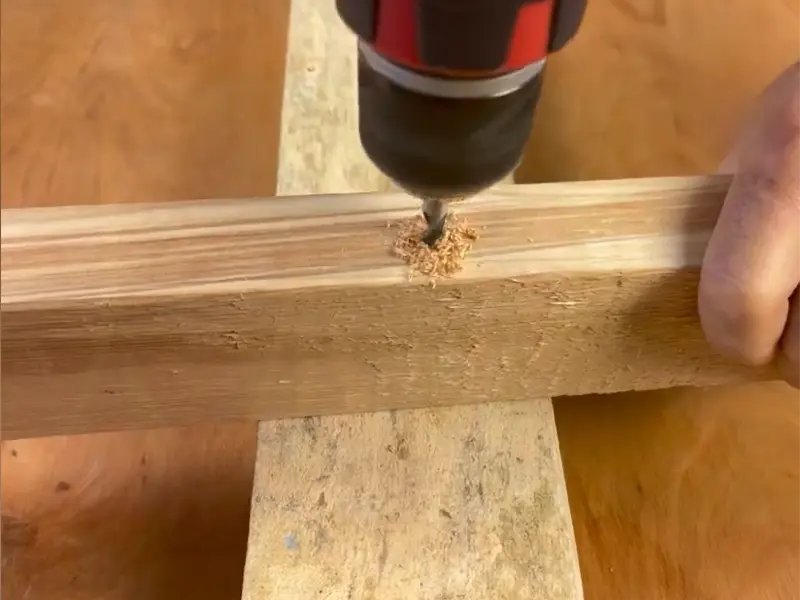
Wood Processing Field
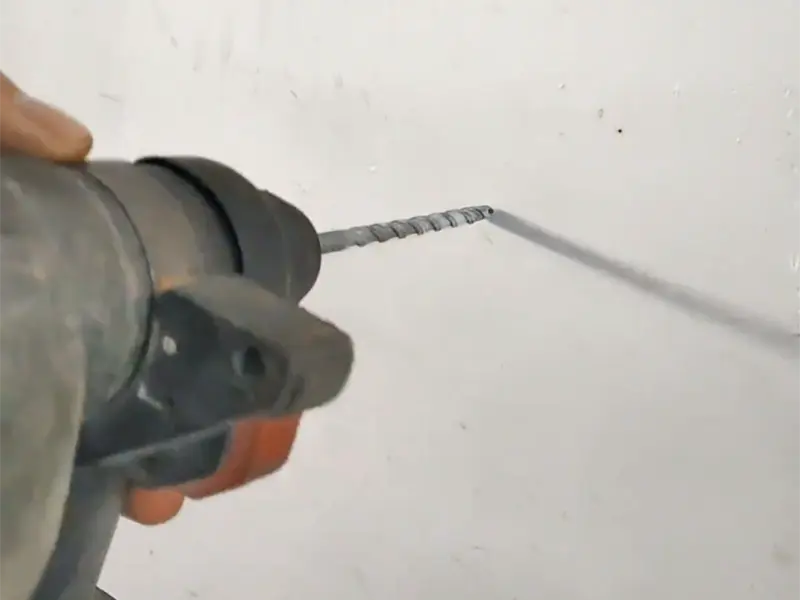
Construction and Decoration Industry

DIY and Handicraft Making
Uncover Your Needs with Us!
The smoothness and concentricity of the carbide drill shank, as well as the edge geometry, flute shape, helix angle, and hardness of the cutting portion, are closely related to the drilling effect. Please inform us of your or your customers’ specific drilling requirements and provide relevant drawings or samples. We will conduct customized production accordingly..
What is a Carbide Drill ?
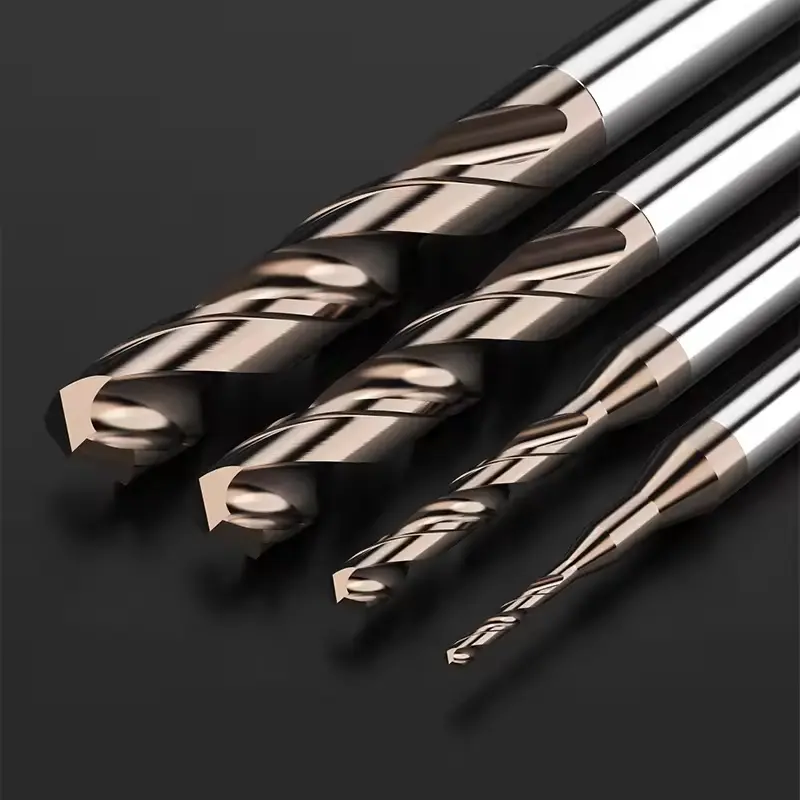
A carbide drill is a fundamental cutting tool designed specifically for creating cylindrical holes in workpieces. It rotates and feeds axially into the material, using its helical flutes and sharp cutting edges to shear and remove material, forming high-precision holes. With carbide as its core material and a helical flute structure for efficient chip evacuation, it offers advantages such as precise hole diameter control, compatibility with various production scenarios, and adaptability to multiple materials. It is an essential tool for drilling processes in both manual and automated manufacturing.
What are the common tool types used in Carbide Drill?
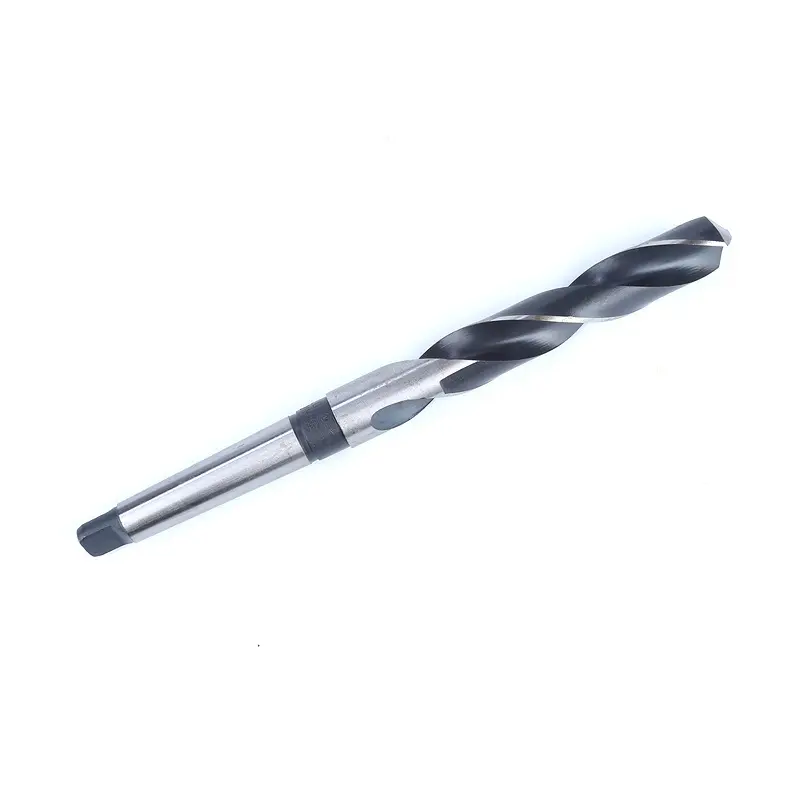
Taper Shank Twist Drill
Structural Features: Features a Morse taper shank, achieving high concentricity and large torque transmission via taper – lock. Equipped with optimized helical flutes and cutting edge geometry.
Functional Advantages: Compatible with heavy – duty machines like boring mills and milling machines, suitable for large – diameter and deep – hole drilling under heavy loads. Offers convenient installation/removal and stable cutting performance.
Typical Applications: Drilling deep oil passages in automotive engine blocks, cooling holes in molds, and connection holes in heavy – machinery frames.
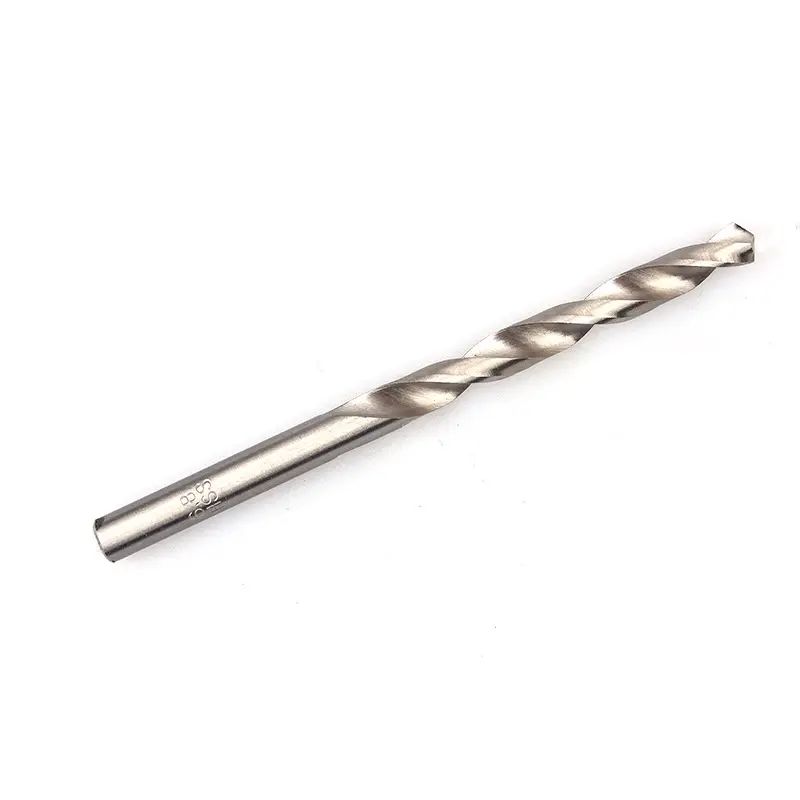
Straight Shank Drill Bit
Structural Features: Has a cylindrical shank, enabling quick clamping with a three – jaw chuck. Adopts universal helical flute and cutting edge configurations, with a compact structure.
Functional Advantages: Provides flexible installation/removal, meeting light – load and small – diameter drilling needs. Balances machining precision and cost, applicable to various common materials.
Typical Applications: Drilling with household electric drills, micro – hole machining on electronic PCBs, and drilling assembly holes for furniture hardware.
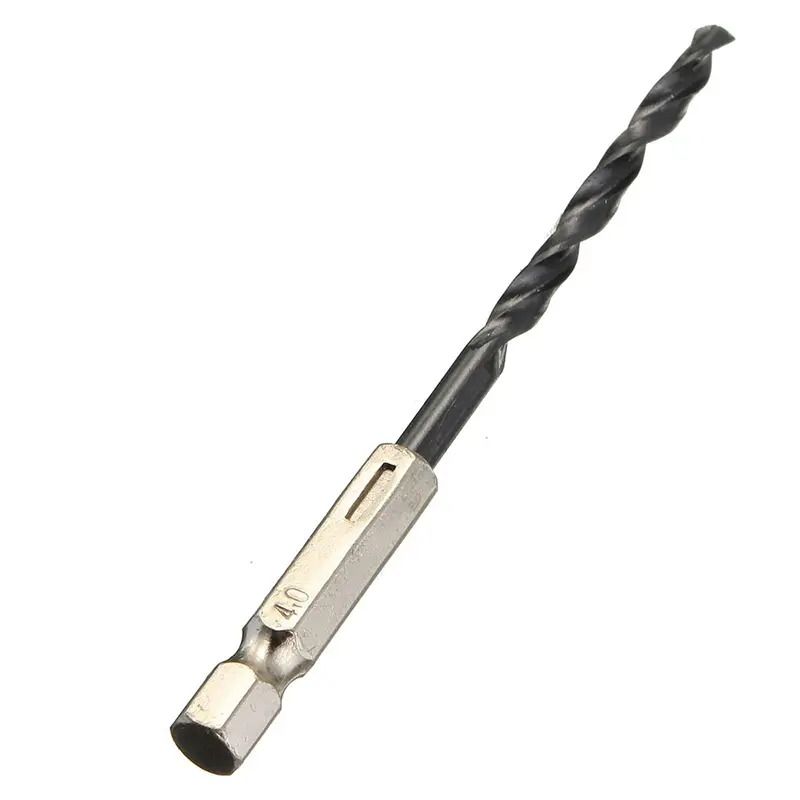
Hex Shank Drill Bit
Structural Features: Features a hexagonal – shaped shank, compatible with hex chucks or quick – change holders. Ensures anti – slip torque transmission during high – torque drilling.
Functional Advantages: Enables rapid tool changes in handheld drills or impact drivers, improving efficiency in household repairs, DIY projects, and on – site maintenance. Minimizes shank slippage under high – torque loads.
Typical Applications: Drilling holes in wood or plastic for home renovation, on – site equipment maintenance, and fast – paced assembly line drilling tasks.
What are the common working methods?
Through – hole drilling enables through – connection and fluid transfer in workpieces, while blind – hole drilling ensures precise depth control and closed – end functionality, jointly supporting diverse hole – making demands in manufacturing.
Through - Hole Drilling
- Principle: The twist drill rotates at high speed and feeds axially, cutting into one side of the workpiece and penetrating through to the other side, with chips evacuated via helical flutes.
- Scenario: Machining through holes for mechanical connections (e.g., flange bolt holes), fluid – transfer channels (e.g., cooling water pipe holes), and structural lightening holes (e.g., aerospace frame through holes).
- Advantage: Chips can be naturally discharged from the exit, enabling relatively high machining efficiency. Attention should be paid to burr control at the exit to ensure the quality of both hole openings.
Blind - Hole Drilling
- Principle: The twist drill rotates and feeds axially, cutting into the workpiece to a predetermined depth and then stopping. Chips are discharged upward through helical flutes (often with a peck – drilling cycle to assist chip evacuation).
- Scenario: Machining blind holes for thread preparation (e.g., screw – mounting blind holes), functional chambers (e.g., crankshaft oil – storage blind holes), and positioning/fixing holes (e.g., fixture – locating blind holes).
- Advantage: Allows precise control of hole depth to meet functional requirements like assembly and storage. Optimizing chip evacuation and drill rigidity is necessary to avoid chip clogging and drill breakage.
What parameters do we need to understand?
Understanding twist drill parameters allows precise matching to machining scenarios , ensuring drilling efficiency, accuracy, and tool lifespan.
What materials can be used to make Carbide Drill ?
1. Solid Carbide
- Structure Composition: Entirely made of carbide material without other material splicing.
- Typical Grades: YG6, YG8, YW1, YW2, etc.
- Core Characteristics: Extremely high hardness (89–92 HRA); wear resistance and hot hardness far exceed traditional tool materials; high cutting efficiency and stable machining precision; however, it is relatively brittle and needs to be used on machine tools with sufficient rigidity.
- Applicable Scenarios: Machining of hardened steel (≥50 HRC), superalloys (such as Inconel), carbon fiber materials, and high-speed dry cutting scenarios.
2. Brazed Carbide Inserts Drill
- Structure Composition: Steel shank and carbide crown (e.g., YG8, YT15) connected by brazing.
- Core Characteristics: Combines the toughness of the steel shank with the wear resistance of carbide; lower cost than solid carbide drills, with outstanding cost performance.
- Applicable Scenarios: Large-diameter drilling of cast iron (with YG series crowns), drilling of hardened steel (with YT series crowns), drilling of non-metallic materials such as hard plastics and composite materials.
3. Coated Carbide
- Structure Composition: Carbide as the base material, with coatings such as TiN, TiAlN, CrN applied on the surface.
- Core Characteristics: Coatings can improve surface hardness, reduce friction coefficient, enhance high-temperature resistance, further extend tool life and improve machining efficiency.
- Applicable Scenarios: Adapt to different materials according to coating types; for example, TiAlN coating is suitable for high-speed machining of hard materials, and CrN coating is suitable for machining of non-ferrous metals that are prone to sticking to the tool.
How to maintain and service Carbide Drill ?
Maintaining twist drills is to extend their service life, ensure stable drilling precision and efficiency, reduce wear-induced failures, and lower overall usage costs.
I. Immediate Maintenance During Use
- Optimize Cutting Parameters: Adjust rotational speed and feed rate based on workpiece material (e.g., reduce speed for hardened steel, increase for aluminum). Avoid overload wear from improper parameters.
- Adequate Cooling/Lubrication: Apply suitable coolants (e.g., emulsion for metals, soapy water for wood/plastic) to reduce friction, control heat, and improve chip evacuation.
- Avoid Forced Operation: Stop immediately if jamming or abnormal noise occurs. Check for chip clogging or hard inclusions in the workpiece; never force feeding to prevent drill breakage.
II. Cleaning and Storage After Use
- Remove Residues Promptly: Clear chips from flutes and cutting edges using a brush or compressed air (especially fine metal chips). Prevent rust and workpiece scratching from leftover debris.
- Rust Prevention: Coat unused drills with anti – rust oil (or store in rust – proof paper/boxes), especially in humid environments, to avoid oxidation from coolant residues.
- Classified Storage: Store drills separately by type (taper shank, straight shank, etc.) and specifications (diameter, length) in dedicated toolboxes or racks. Prevent edge damage from collisions.
III. Regular Inspection and Maintenance
- Wear Detection: Use a magnifier to check for chipped edges, curled flutes, built – up edges, or shank deformation. Replace drills with abnormalities immediately.
- Precision Verification: For high – precision drilling, periodically measure diameter and flute geometry with gauges or CMM to ensure accuracy.
- Coating Protection: Avoid scratching coated drills (e.g., TiAlN). Replace drills if coating peels off, as it degrades cutting performance.
IV. Handling Special Situations
- Minor Wear Repair: Slightly worn edges can be re – sharpened with specialized tools (e.g., drill grinders) while maintaining original angles (point angle, clearance angle). Only for low – precision applications after re – calibration.
- Fracture Prevention: If cracks are detected (via penetrant testing) on shanks or flutes after repeated use, discard the drill immediately. Never continue using cracked drills.
How long can a Carbide Drill typically be used?
Timely replacement of worn twist drills ensures dimensional accuracy, surface quality, and machining efficiency while preventing tool breakage and workpiece damage.
1. Replacement Criteria
(1) Visual Wear Assessment
- Cutting Edge Damage: Replace when chipping, curling, severe built-up edge (serrated or shiny appearance) occurs, or when the flank wear land (VB) ≥ 0.2mm—cutting performance will degrade significantly.
- Flute Deformation: Shallow worn flutes causing poor chip evacuation (chip accumulation) or obvious scratches on flute walls.
- Shank Abnormalities: Shank deformation, cracks, or wear in the clamping area leading to slipping during installation.
(2) Deterioration of Machining Performance
- Dimensional Accuracy: Replace if hole diameter deviation ≥ ±0.1mm (cannot be corrected by adjusting machining parameters), or if hole taper/circularity exceeds tolerance.
- Surface Quality: Hole wall roughness Ra > 3.2μm, or presence of chatter marks/scratches.
- Cutting Condition: Sudden increase in machining noise/vibration, or significant rise in feed resistance (monitorable via motor current).
- Efficiency Decline: Drilling time extended by over 30%, or frequent chip clogging/drill breakage.
(3) Professional Inspection Methods
- Wear Measurement: Use a tool microscope to check point angle wear (e.g., 118° worn to >125°) or drill core widening (exceeding 20% of original size).
- Intelligent Monitoring: Predictive wear detection by analyzing cutting force, torque, or motor current data.
2. Factors Affecting Service Life
(1) Workpiece Material
- Soft Materials (aluminum, plastic): Longer service life, capable of drilling hundreds of holes.
- Hard Materials (hardened steel, titanium alloy, superalloy): Shorter service life, typically drilling tens of holes.
(2) Cutting Parameters
- High Speed + Heavy Feed: Sharply shortened life (e.g., doubling speed may halve life; critical speed range: 28.3–35.3m/min).
- Optimized Parameters (carbide drilling steel: 30–60m/min): Significantly extends service life.
(3) Tool Quality and Maintenance
- High-Quality Carbide (e.g., high-purity WC + reasonable Co content): Service life up to hundreds to thousands of holes.
- Standard Maintenance (regular cleaning, rust prevention, avoiding overload): Extends life; poor usage habits (dry cutting, forced feeding): Reduces life by over 50%.

