
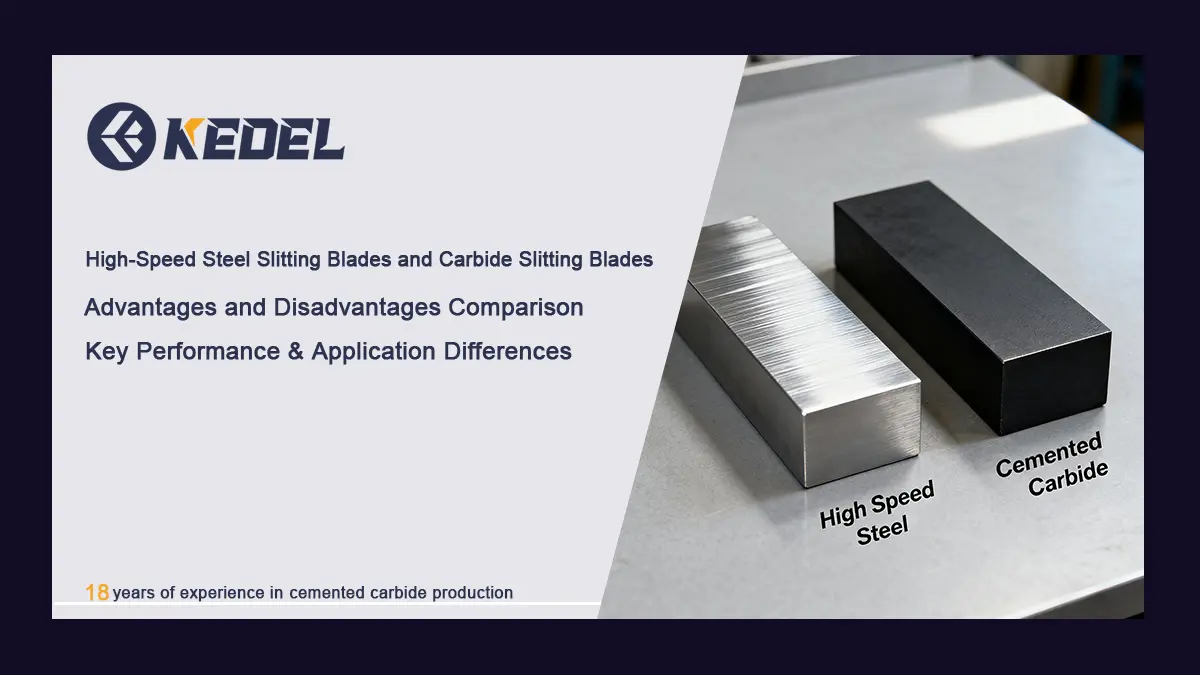
Comparison of Advantages and Disadvantages Between High-Speed Steel Slitting Blades and Carbide Slitting Blades
In the industrial slitting field, high-speed steel slitting knives and carbide slitting knives are two mainstream options, each suitable for different slitting scenarios. Due to
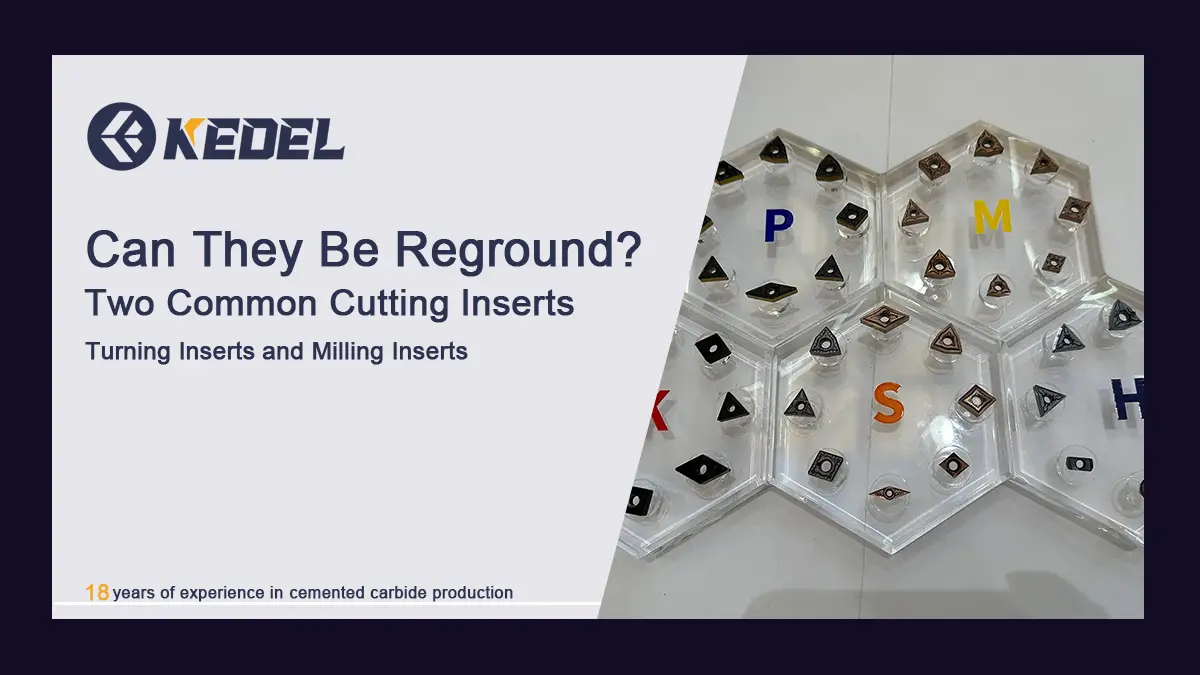
Can Turning Inserts and Milling Inserts Be Reground?
Turning inserts and milling inserts (mainly made of tungsten carbide cemented carbide) can both be reground. Proper regrinding is a practical solution to reduce tool
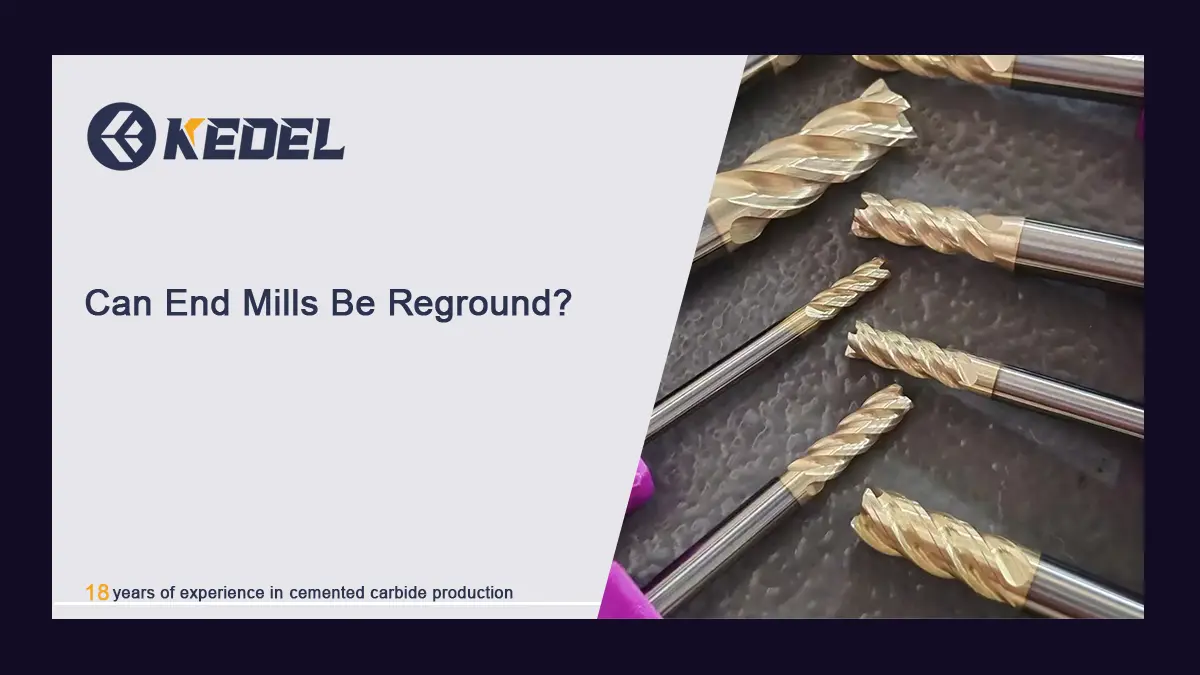
Can End Mills Be Reground?
End mills, especially those made of tungsten carbide cemented carbide, can be reground. In fact, proper regrinding is a key way to extend tool life
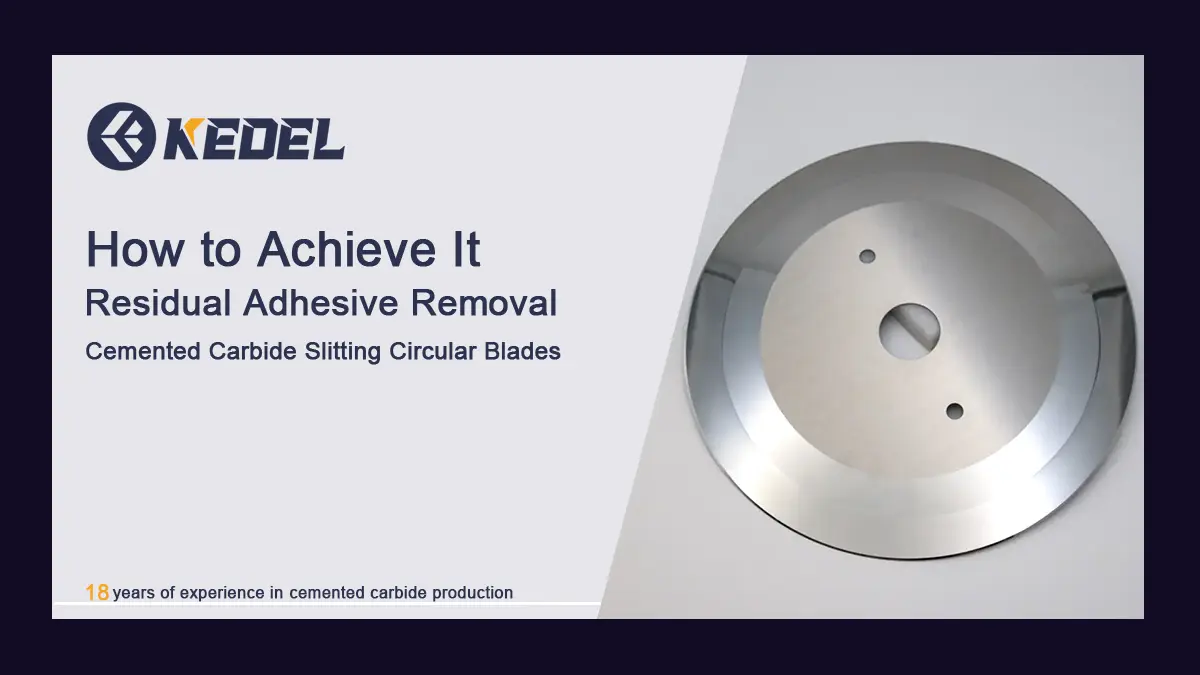
How to Remove Residual Adhesive from Cemented Carbide Slitting Circular Blades
In the slitting process of materials such as adhesive tape, film, and label paper, cemented carbide slitting circular knives are prone to residual adhesives (e.g.,
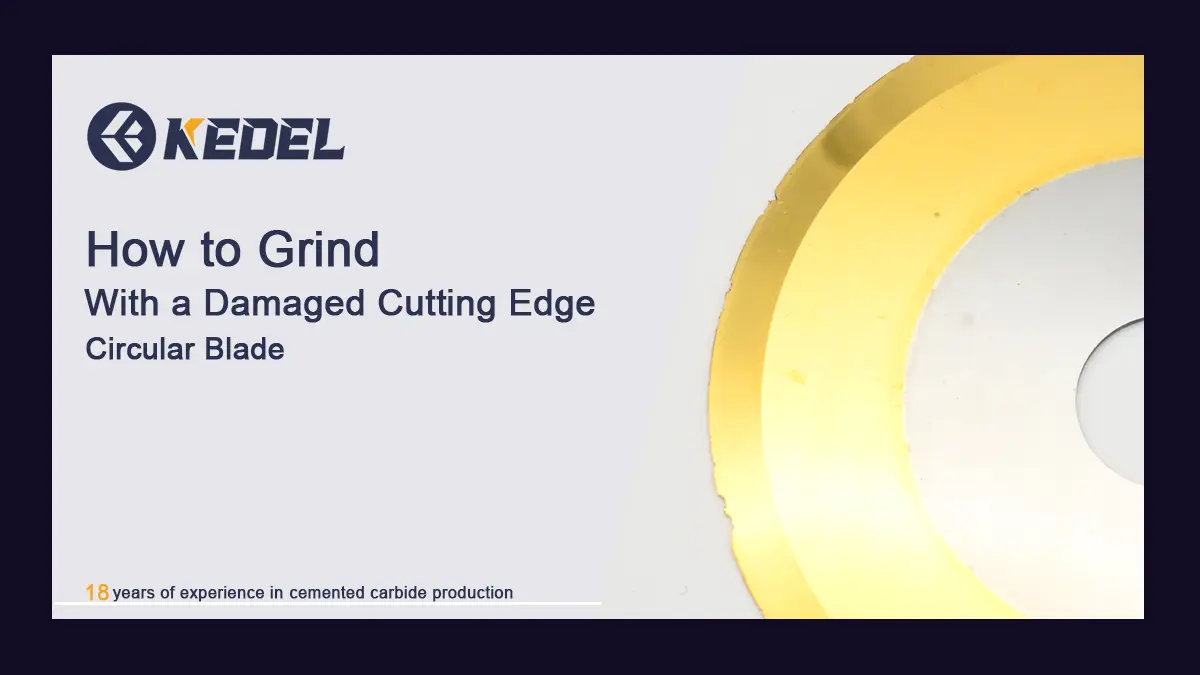
How to Grind a Circular Blade with a Damaged Cutting Edge
In industrial slitting (e.g., paper, metal foil, film) and food processing (e.g., meat, pastries), circular knives are prone to cutting edge damage due to contact
Can Circular Knives for Food Cutting Be Coated?
In the food processing industry, the performance of circular knives for food cutting directly affects food quality (e.g., cut flatness, no adhesion), production efficiency (e.g.,
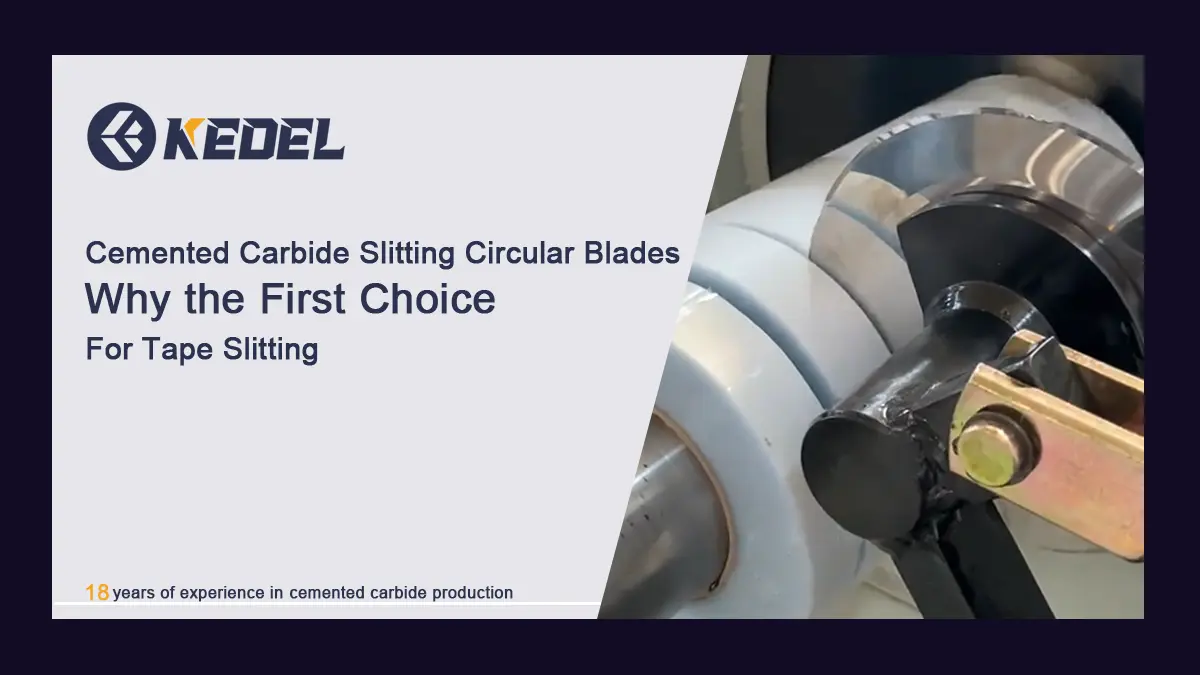
Why Are Cemented Carbide Slitting Circular Blades the First Choice for Tape Slitting?
Tape slitting is a critical process in tape production and processing, requiring adaptation to the characteristics of different tape types—such as BOPP transparent tape, double-sided
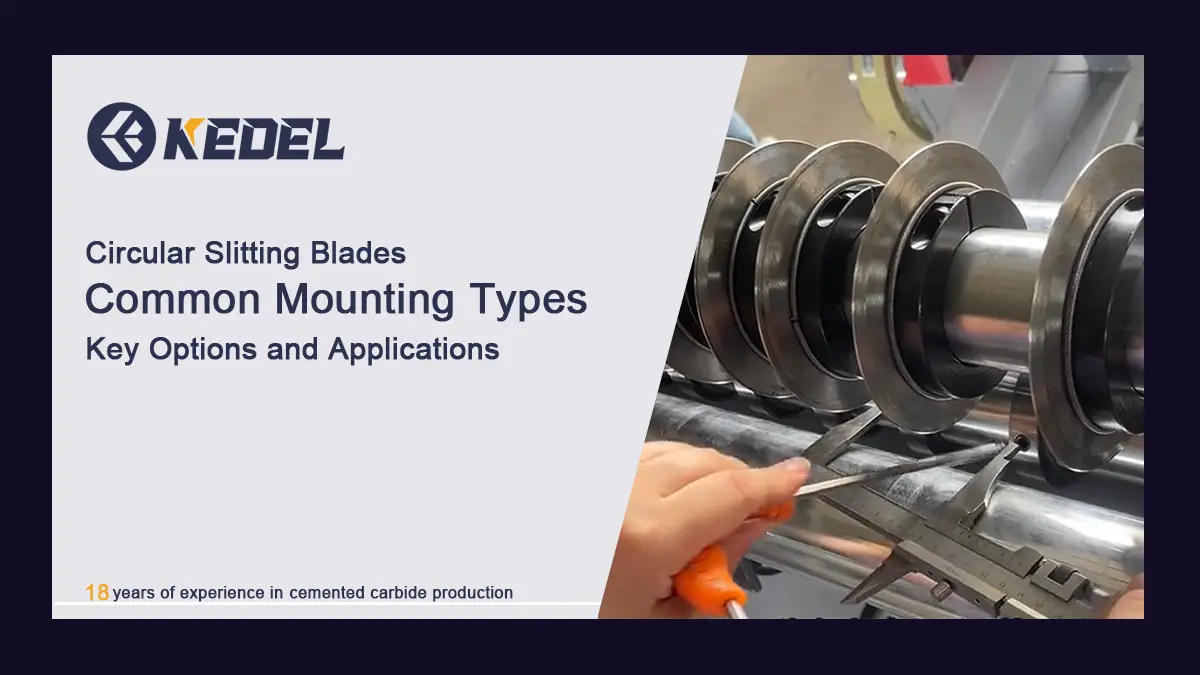
Common Mounting Types for Circular Slitting Blades
Circular slitting blades are core tools in industrial slitting processes (for materials like paper, film, metal foil, and non-woven fabrics). Their mounting type directly impacts

Which Is More Suitable for High-Temperature Working Conditions: Cemented Carbide or Ceramic?
In industrial high-temperature scenarios (such as metal smelting, aero-engine components, and high-temperature molds), the core of material selection lies in "high-temperature resistance + adaptation to
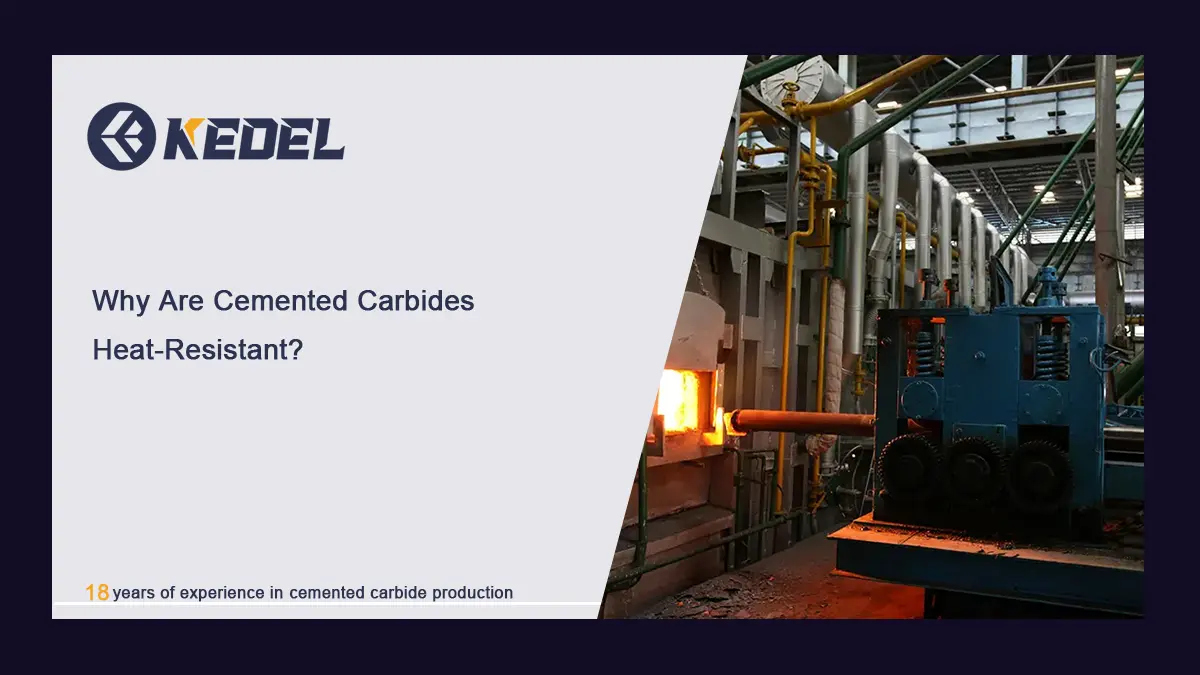
Why Are Cemented Carbides (Tungsten Carbide + Cobalt) Heat-Resistant?
Cemented carbides composed of tungsten carbide (WC) as the hard phase and cobalt (Co) as the binder phase are rare industrial materials that “retain hardness
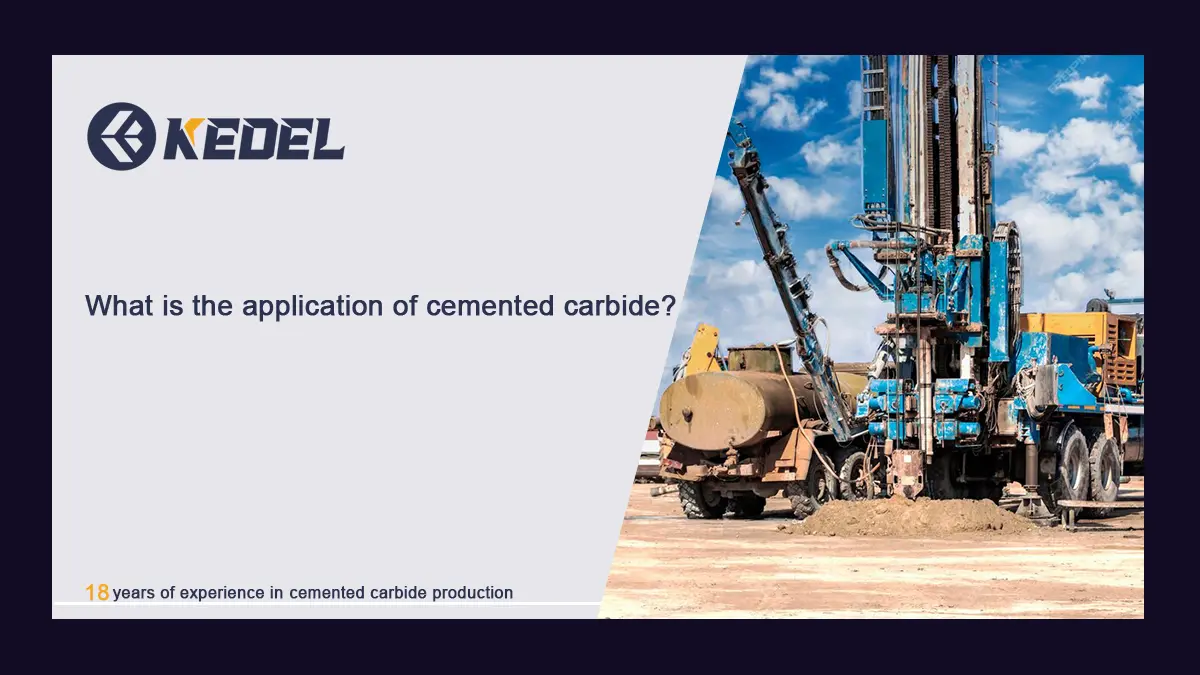
What is the application of cemented carbide?
Cemented carbide—an alloy made primarily of tungsten carbide (WC) and binders like cobalt (Co) or nickel (Ni)—is celebrated for its exceptional hardness, wear resistance, and
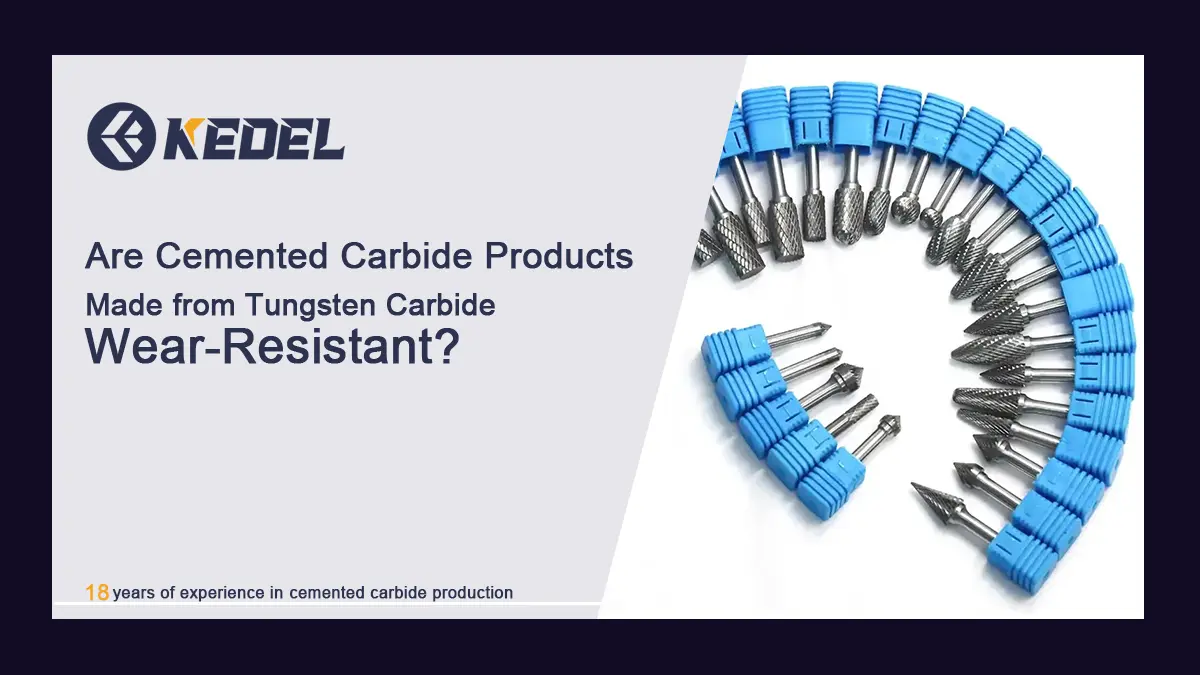
Are Cemented Carbide Products Made from Tungsten Carbide Wear-Resistant?
Cemented carbide products with tungsten carbide (WC) as the core raw material are widely recognized as "highly wear-resistant materials" in the industrial sector. Their wear

