
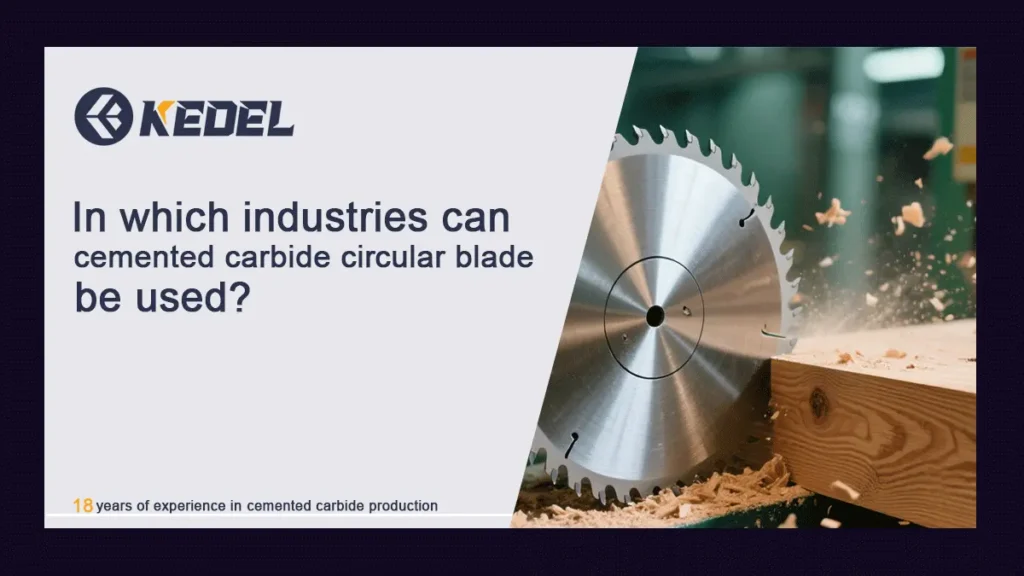
Carbide circular blades, with their high hardness (Mohs 8.5-9), excellent wear resistance (5-10 times longer service life than ordinary steel blades), and good impact resistance, have become core consumables for "cutting/slitting" scenarios in the industrial sector. They are not single-purpose products but can be flexibly adapted to different industries based on material characteristics (e.g., hardness, toughness, shape)—from slitting thin paper in the packaging industry to cutting thin metal sheets in metal processing, and even planing hardwood in the woodworking industry. Almost all fields requiring "precise, efficient, and wear-resistant cutting" rely on them. This article details the core application industries, specific scenarios, and adaptation advantages of carbide circular blades, helping you clearly understand their industrial value while avoiding selection mistakes.
1. First, Clarify: Core Advantages of Carbide Circular Blades—Why Do All Industries Choose Them?
Before introducing application industries, let’s first sort out their core performance advantages, which are the fundamental reasons for their cross-industry adaptability:
- Ultra-Wear-Resistant, Long Service Life: With tungsten carbide (WC) as the hard phase and cobalt (Co) as the binder, their wear resistance far exceeds that of high-speed steel and stainless steel blades. For example, when slitting corrugated paper in the packaging industry, carbide circular blades can be used continuously for 80-120 hours, while ordinary steel blades only last 15-20 hours.
- High Hardness, Flat Cuts: Their hardness is much higher than the materials being cut (e.g., paper, thin metal sheets, wood). The cutting edge does not deform easily during cutting, ensuring flat, burr-free cuts. For instance, when cutting thin aluminum sheets in metal processing, the cut precision can be controlled within 0.1mm.
- Impact-Resistant, Wide Adaptability: By adjusting cobalt content (5%-15%), toughness can be balanced. They can handle high-speed slitting of soft materials (e.g., paper, plastic) and withstand slight impacts from hard materials (e.g., metal, hardwood), preventing edge chipping.
- Good Temperature Resistance, Suitable for High-Speed Operation: They can withstand short-term temperatures up to 700-800°C. During high-speed cutting (e.g., plastic profile cutting at 10-20m/min), the cutting edge does not soften easily due to frictional heat, ensuring consistent cutting efficiency.
2. Core Application Industries and Scenarios: 6 Key Fields Covering Mainstream Industrial Cutting Needs
The application of carbide circular blades is concentrated in scenarios requiring "continuous cutting, high cut quality, and long tool life." Below is a detailed analysis of 6 core fields:
1. Packaging and Printing Industry—"Efficiency Leader" for Slitting Thin Paper/Films
The packaging and printing industry is the largest application field for carbide circular blades, mainly used for slitting various paper and film packaging materials. The core needs are "high speed, no burrs, and fewer blade changes."
- Specific Scenarios:
- Corrugated Paper Slitting: Used in carton production lines to slit large-format corrugated paper into standard-sized boards. Carbide circular blades with φ100-200mm (cobalt content 8%-10%, balancing wear resistance and impact resistance) are suitable.
- Film Slitting: Slitting PE films for express bags and PET films for food packaging. Blades need to be extremely sharp and wear-resistant, so fine-grain carbide (particle size 1-3μm) is often used to avoid film stretching or wrinkled cuts.
- Industry Advantages: Compared with steel blades, the blade change frequency is reduced by 70%, and the daily downtime of the production line is shortened from 2 hours to 0.5 hours, increasing productivity by 15%-20%.
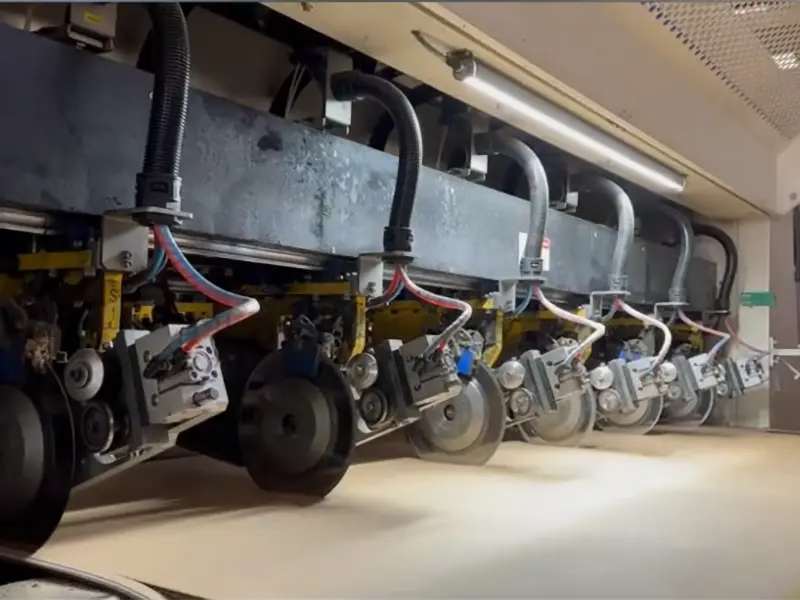
2. Metal Processing Industry—"Precision Tool" for Cutting Thin Sheets/Profiles
In the metal processing industry, carbide circular blades are mainly used for cutting thin metal sheets, pipes, and profiles, especially non-ferrous metals such as aluminum, copper, and stainless steel. The core need is "flat cuts with no deformation."
- Specific Scenarios:
- Thin Aluminum Sheet Cutting: Cutting aluminum foil for air conditioner heat sinks and aluminum packaging boxes. Carbide circular blades with φ50-150mm (cobalt content 6%-8%, high hardness ensures smooth cuts) and polished edges are selected.
- Metal Pipe Slitting: Fixed-length cutting of thin-walled stainless steel pipes (diameter ≤50mm). Blades need chip breaker grooves to prevent metal chips from wrapping around the edge.
- Industry Advantages: No secondary grinding is required after cutting, and the metal scrap rate is reduced from 5% to less than 1%. Meanwhile, the service life of carbide blades is 8-10 times that of high-speed steel, reducing consumable costs by 60%.
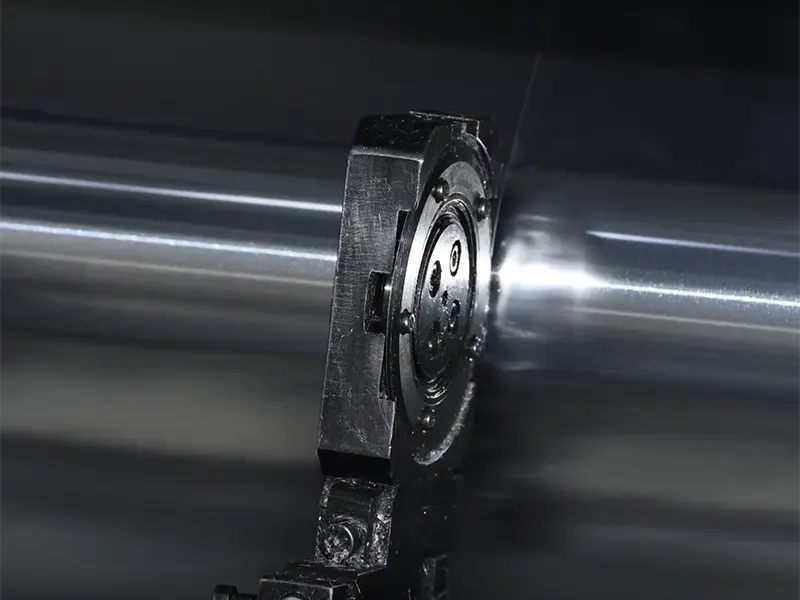
3. Woodworking Industry—"Wear-Resistant Tool" for Planing Hardwood/Engineered Boards
In the woodworking industry, carbide circular blades are used for surface planing of solid wood and edge trimming of engineered boards (e.g., MDF, plywood). The core needs are "resisting wear from wood fibers and withstanding impacts from hard knots."
- Specific Scenarios:
- Hardwood Planing: Planing hardwoods such as oak and walnut (thickness 0.5-2mm). Carbide circular blades with φ200-300mm (cobalt content 10%-12%, high toughness prevents edge chipping from knot impacts) and large tooth counts are used.
- Engineered Board Edge Trimming: Trimming edges of MDF for furniture. Blades need to resist corrosion from glue (engineered boards contain adhesive layers), so carbide with surface nitriding treatment is often selected.
- Industry Advantages: When planing hardwood, the edge wear rate is 5 times slower than that of high-speed steel. A single blade can process 30-50 cubic meters of wood, while steel blades only process 5-8 cubic meters.
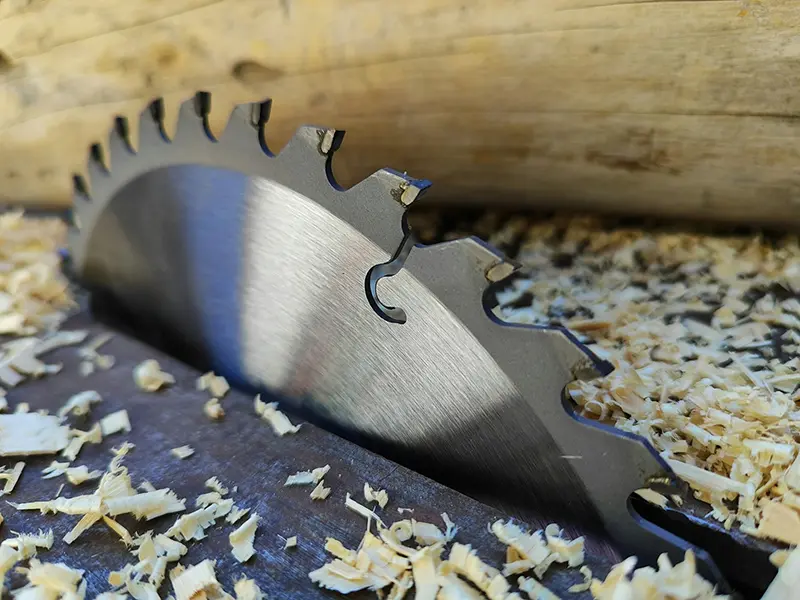
4. Plastic and Rubber Industry—"Stable Guarantee" for Cutting Profiles/Pipes
Materials in the plastic and rubber industry (e.g., PVC profiles, rubber pipes) are mostly tough and prone to sticking to blades or deforming during cutting. Carbide circular blades, with their low friction and high wear resistance, are ideal choices.
- Specific Scenarios:
- PVC Profile Cutting: Fixed-length cutting of PVC profiles for doors and windows. Carbide circular blades with φ120-200mm (cobalt content 8%-10%) and anti-stick coatings are selected to reduce plastic melting and sticking.
- Rubber Pipe Slitting: Cutting rubber hoses for automobiles. Blades need to be sharp and resistant to rubber corrosion, so carbide with 8%-10% cobalt content meets the requirements.
- Industry Advantages: The blade sticking rate when cutting PVC profiles is reduced from 30% to less than 5%, and the cut perpendicularity error is ≤0.5°. Meanwhile, the blade service life reaches 300-500 hours, reducing downtime for blade changes.
5. Food Processing Industry—"Hygienic Choice" for Slitting Films/Soft Materials
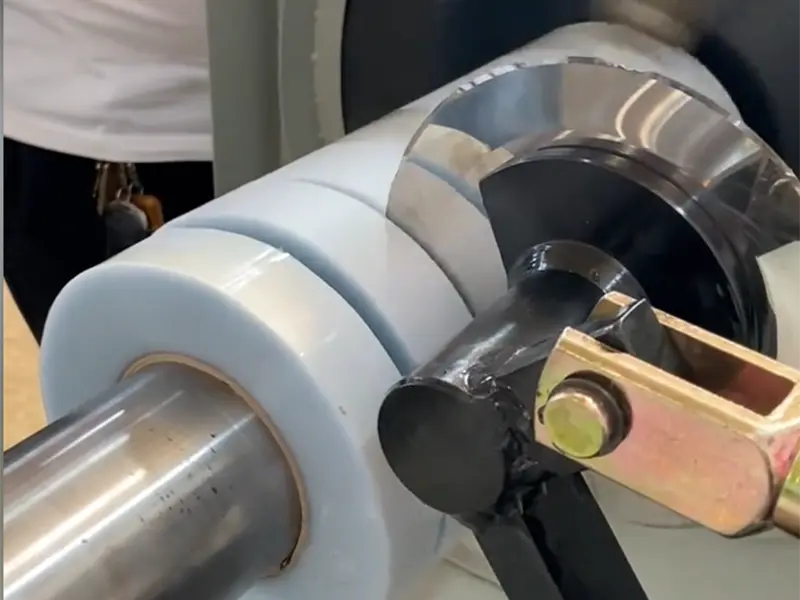
The food processing industry has strict requirements for "hygiene and wear resistance" of tools. Carbide circular blades, with their smooth, easy-to-clean surfaces and no rust risk, are suitable for slitting food packaging films and soft food materials.
- Specific Scenarios:
- Food Packaging Film Slitting: Slitting cling film and aluminum-plastic films for biscuit packaging. Carbide circular blades with φ80-150mm (cobalt content 6%-8%) and mirror polishing are selected to avoid film contamination.
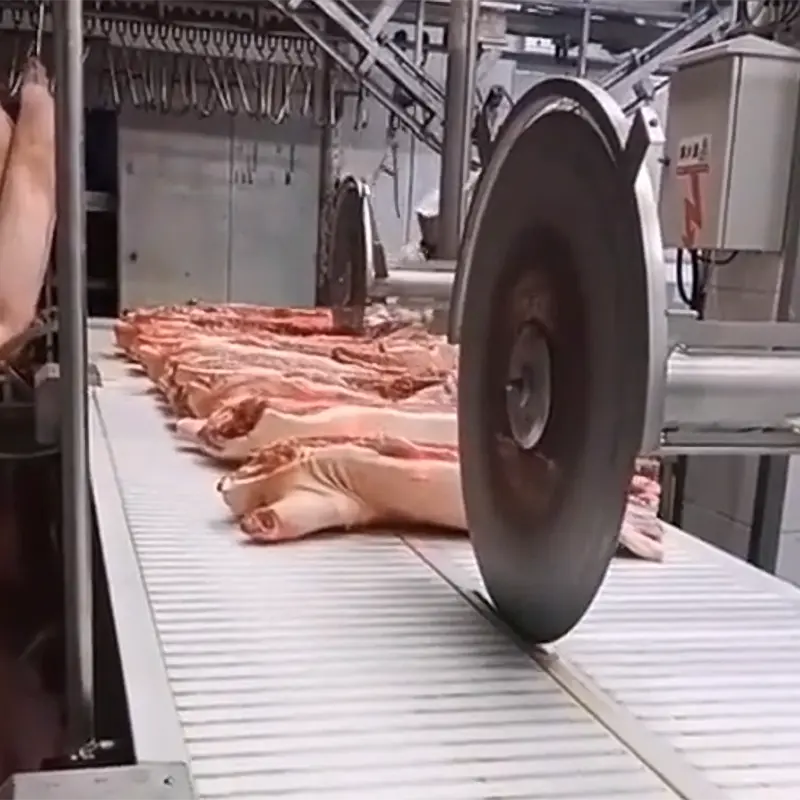
- Soft Food Cutting: Cutting frozen dough and chocolate blocks (low-temperature environment required). Blades need to withstand low temperatures (-20-0°C). Carbide has stable low-temperature performance and will not become brittle.
- Industry Advantages: They meet food-grade hygiene standards (can be high-temperature sterilized) and no metal chips fall off from the blades. Meanwhile, their wear resistance ensures daily processing of over 100,000 food packaging units without blade changes.
6. Leather and Textile Industry—"Precision Helper" for Cutting Fabrics/Leather
Leather and textile fabrics (e.g., genuine leather, chemical fiber cloth) are soft and prone to fraying. Cutting requires "sharpness and no pulling." Carbide circular blades can precisely control the cutting depth to avoid material damage.
- Specific Scenarios:
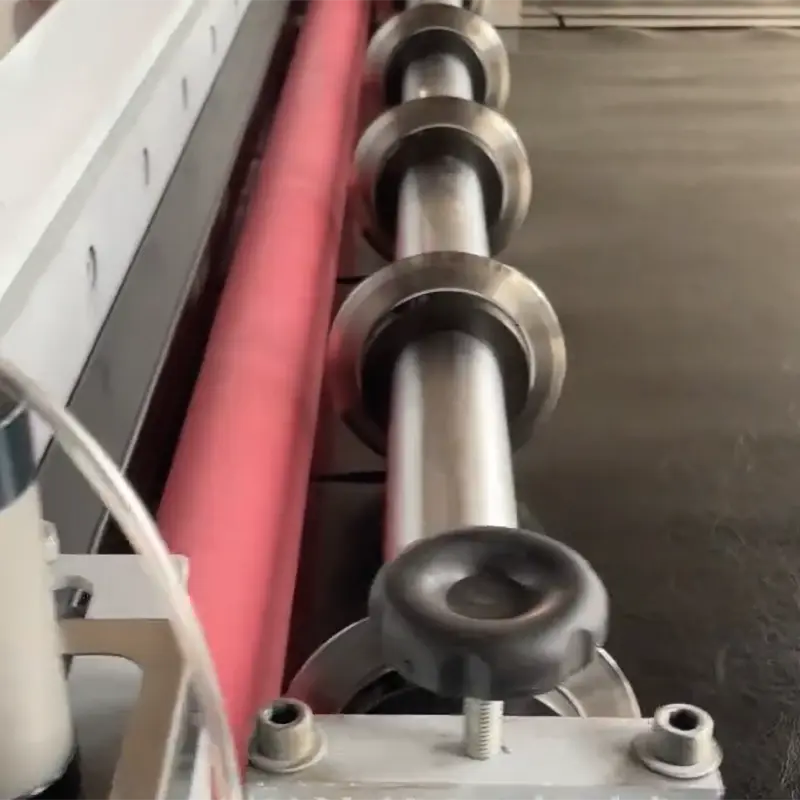
- Genuine Leather Cutting: Cutting genuine leather for shoes and bags. Carbide circular blades with φ50-100mm (cobalt content 6%-8%, high sharpness reduces leather fiber breakage) and thin edges are selected.
- Chemical Fiber Cloth Slitting: Slitting chemical fiber fabrics for curtains. Blades need anti-static properties (to avoid fabric adsorption), so carbide with anti-static coating is often used.
- Industry Advantages: The fabric fraying rate is reduced from 15% to less than 3%, and the scrap rate of genuine leather cutting is reduced by 80%. Meanwhile, the service life of carbide blades is 6-8 times that of carbon steel blades, lowering consumable costs.
3. Industry Adaptation Summary Table: Quickly Match Your Application Scenario
For intuitive reference, the table below summarizes the core needs, recommended blade parameters, and typical advantages of each industry:
| Application Industry | Core Cutting Materials | Recommended Blade Parameters (Reference) | Typical Advantages |
|---|---|---|---|
| Packaging & Printing | Corrugated paper, PE/PET films | φ100-200mm, 8%-10% Co content, fine-grained | High-speed slitting without burrs; 70% lower blade change frequency |
| Metal Processing | Thin aluminum sheets, thin-walled stainless steel pipes | φ50-150mm, 6%-8% Co content, polished edges | Flat cuts without secondary grinding; 4% lower scrap rate |
| Woodworking | Hardwood, MDF | φ200-300mm, 10%-12% Co content, large tooth count | Knot impact resistance; 5x more wood processed per blade |
| Plastic & Rubber | PVC profiles, rubber pipes | φ120-200mm, 8%-10% Co content, anti-stick coating | Reduced sticking; cut perpendicularity error ≤0.5° |
| Food Processing | Food packaging films, frozen dough | φ80-150mm, 6%-8% Co content, mirror polishing | Hygienic and easy to clean; processes 100,000+ units daily |
| Leather & Textile | Genuine leather, chemical fiber cloth | φ50-100mm, 6%-8% Co content, anti-static coating | 12% lower fraying rate; 80% lower scrap rate |
4. Clarifying Common Misconceptions: Avoid Selection Errors in Industry Applications
In practical applications, many people choose the wrong carbide circular blades due to "lack of understanding of industry characteristics." The following 3 common misconceptions require attention:
Misconception 1: "Carbide circular blades are only suitable for hard materials; steel blades are more cost-effective for soft materials."
Fact: Soft materials (e.g., films, fabrics) require the "wear resistance and sharpness" of carbide even more. For example, when slitting PE films, steel blades wear out easily, causing wrinkled cuts within 1-2 days; carbide blades can be used continuously for 10-15 days. Although the single-blade cost is higher, downtime for blade changes is reduced, resulting in lower overall costs.
Misconception 2: "High-hardness blades are suitable for all industries—the harder, the better."
Fact: Hardness must match the impact intensity of the industry. For example, woodworking involves impacts from hard knots; if blades with high hardness but low toughness (5% Co content) are selected, edge chipping is likely. Choosing blades with high toughness (12% Co content), although slightly lower in hardness, can withstand impacts and have a longer service life.
Misconception 3: "The larger the blade size, the better—it fits all equipment."
Fact: Size must match equipment power and cutting width. For example, small food packaging machines (width ≤300mm) using large φ300mm blades will overload the equipment; choosing φ150mm blades not only meets cutting needs but also reduces equipment energy consumption.
5. Conclusion: Choose Blades Adapted to Your Industry to Maximize Value
The industrial application of carbide circular blades lies in matching "material characteristics with blade performance": for soft materials (films, fabrics), choose blades with high sharpness and low Co content; for hard materials (metal, hardwood), choose blades with high toughness and high Co content; for special scenarios (food, anti-static), choose custom blades with coatings.
For professionals in the tungsten carbide industry, when recommending blades, do not only promote fixed models. Instead, first understand the customer’s "industry, cutting materials, and equipment parameters," then match the corresponding blade size, Co content, and surface treatment. This helps customers improve efficiency and reduce costs.
If your enterprise encounters issues such as "short blade service life or poor cut quality" in cutting scenarios of a specific industry, or needs custom carbide circular blades for industry-specific use, feel free to communicate. We can provide sample testing and parameter optimization suggestions based on your specific needs.