
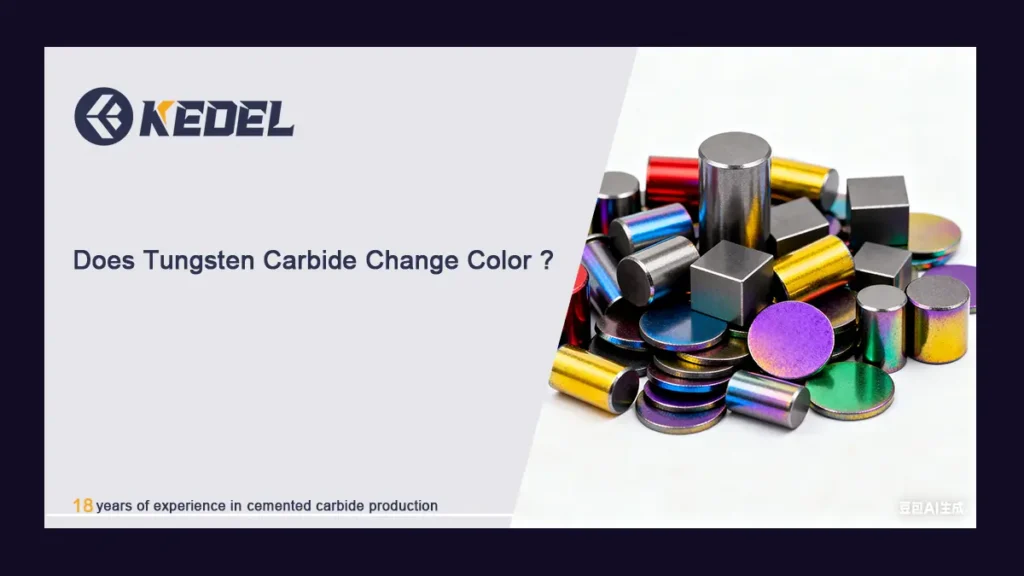
If you work with tungsten carbide products—whether it’s wear liners, seal rings, or cutting tools—you might have noticed: sometimes the material looks slightly different than when you first got it. So, does tungsten carbide change color? The answer isn’t a simple yes or no. Tungsten carbide itself has a stable base color when new, but it can shift in appearance under specific conditions, like high temperatures, chemical exposure, or mechanical wear. These color changes are usually signs of surface reactions (not changes to the core material) and can vary from subtle tints to more noticeable hues. In this article, we’ll break down what color tungsten carbide is when new, the common scenarios that cause it to change, whether those changes matter for performance, and how to prevent or address them. All explanations are based on real industrial experience, keeping things straightforward and easy to apply.
What Color Is Tungsten Carbide When New?
Fresh, unused tungsten carbide has a consistent, neutral color that’s easy to recognize. Its base appearance comes from its composition—tungsten carbide crystals held together by a binder (usually cobalt, sometimes nickel)—and the manufacturing process (sintering at high temperatures).
- Typical base color: Most industrial tungsten carbide products are a dark silver-gray or matte gray. The exact shade can vary slightly based on two factors:
- Binder content: Parts with higher cobalt content (10–15%) might have a slightly brighter silver tint, while those with lower cobalt (5–8%) or nickel binders tend to be a deeper, duller gray.
- Surface finish: Sintered “as-is” parts have a rough, matte gray look; parts that go through grinding or polishing (like seal rings or precision tools) have a smoother, more reflective silver-gray surface.
This base color is stable under normal storage and mild use (e.g., room temperature, no harsh chemicals). You won’t see it change on its own—color shifts only happen when external conditions affect the surface.
4 Common Scenarios That Cause Tungsten Carbide to Change Color
Tungsten carbide doesn’t change color randomly. Most shifts are tied to specific environmental factors or usage conditions. Below are the most frequent causes, along with the color changes you’ll see and why they happen:
1. Exposure to High Temperatures
High heat is one of the most common triggers for color change. When tungsten carbide is heated above 500°C (932°F), the binder metal (usually cobalt) starts to oxidize (react with oxygen in the air), creating a thin oxide layer on the surface—and this layer changes color.
- Color changes to expect:
- 500–700°C: Light blue or pale purple tint (from cobalt oxide forming a thin, uniform layer).
- 700–900°C: Dark brown or bronze (as the oxide layer thickens and cobalt oxide reacts further).
- Above 900°C: Black or dark gray (if the oxide layer becomes uneven or starts to flake slightly).
- Industrial example: A factory using tungsten carbide molds for plastic injection molding noticed the molds turned light blue after repeated use. The issue was that the mold temperature occasionally spiked to 650°C during production, causing cobalt oxidation—this is a common, harmless surface change.
2. Contact with Corrosive Chemicals
Tungsten carbide is resistant to most mild chemicals, but strong acids, alkalis, or salt solutions can react with its binder (cobalt or nickel), leading to color changes. The exact hue depends on the type of chemical involved.
- Color changes to expect:
- Strong acids (e.g., hydrochloric acid, sulfuric acid): Green or greenish-gray (from cobalt reacting with acid to form cobalt chloride or sulfate, which are greenish salts).
- Strong alkalis (e.g., sodium hydroxide): Yellowish-brown or gray (from binder metals reacting with hydroxide ions).
- Saltwater or chloride solutions: White or powdery gray (from cobalt chloride forming a white, slightly soluble layer).
- Industrial example: A marine equipment manufacturer found tungsten carbide seal rings in seawater pumps turned pale gray after 6 months. The saltwater reacted with the cobalt binder, creating a thin white chloride layer—this didn’t break the seal immediately, but it signaled the need to switch to a nickel-binder (more corrosion-resistant) grade.
3. Mechanical Wear Followed by Oxidation
When tungsten carbide is worn down (e.g., a seal ring rubbing against a shaft, a cutter grinding metal), the process exposes fresh, unoxidized material on the surface. This new surface reacts quickly with air, forming a thin oxide layer that changes color—even at room temperature.
- Color changes to expect: Light tan, pale brown, or dull gray (the oxide layer here is thinner than high-temperature oxidation, so the color is subtler).
- Key note: This color shift is usually limited to the worn areas. For example, a tungsten carbide drill bit might have tan edges where it’s been cutting metal, while the unused part of the bit stays silver-gray.
4. Residue Buildup or Improper Cleaning
Sometimes, color changes aren’t from the tungsten carbide itself—they’re from external residues that bake onto or react with the surface.
- Common causes and colors:
- Oil or grease residue heated during use: Black or dark brown (the oil carbonizes, leaving a sticky, dark film).
- Metal shavings or dust stuck to the surface: Metallic silver or gray (this looks like a color shift but is just debris—wipe it off to check).
- Cleaning chemicals left on the surface: Milky white or streaky gray (some harsh cleaners leave a residue that dries into a film).
- Fix: Most residue-related color changes can be removed with a solvent (like acetone for oil) or a soft brush—if the color goes away after cleaning, the tungsten carbide itself hasn’t changed.
Does a Color Change Mean Tungsten Carbide Is Damaged?
Not all color changes signal a problem. The key is to check whether the change is surface-only or affecting the core material:
| Type of Color Change | Is It Damaging? | Why? |
|---|---|---|
| Light blue/purple from mild high heat | No | The oxide layer is thin and doesn’t affect the material’s hardness or strength. It can even act as a minor protective barrier. |
| Subtle tan from wear oxidation | No | The color is from a thin surface oxide—core toughness and wear resistance stay the same. |
| Green/white from mild chemical exposure | Usually No | If the color wipes off or is only on the surface, the core isn’t corroded. Only a problem if the surface starts flaking. |
| Black, flaky, or powdery color | Yes | This means the oxide layer is thick or the binder is breaking down—core strength may be reduced, and parts may fail soon. |
3 Tips to Prevent Unwanted Tungsten Carbide Color Changes
You can’t avoid all color shifts (e.g., wear-related tint), but you can prevent the damaging ones with simple steps:
- Control operating temperatures: Keep tungsten carbide parts below 500°C whenever possible. If your process requires higher heat (e.g., some mold applications), use a “heat-stabilized” grade with a more oxidation-resistant binder.
- Choose the right grade for chemicals: For acidic, alkaline, or saltwater environments, skip standard cobalt-binder tungsten carbide—opt for nickel-binder or nickel-molybdenum grades, which resist corrosion (and thus color changes) better.
- Clean parts regularly: After use, wipe off oil, debris, or chemical residues with a solvent (acetone or isopropyl alcohol) and a soft cloth. Avoid leaving parts dirty, especially if they’ll be stored or heated later.
Common Myths About Tungsten Carbide Color Changes
Let’s clear up two misconceptions that lead to unnecessary worry:
-
Myth 1: “Any color change means the part is low-quality.”
False. Most color shifts are environmental, not a sign of poor manufacturing. A blue mold or tan drill bit is just reacting to heat or wear—not because it’s “bad” tungsten carbide. -
Myth 2: “You can fix all color changes by polishing.”
Partly true. Surface-only changes (like blue oxide or oil residue) can be polished off, but if the color is from deep corrosion (e.g., green from acid), polishing won’t reverse the damage to the binder.
Final Thoughts: Tungsten Carbide Color Shifts Are a “Signal”—Not a Problem
Tungsten carbide doesn’t change color on its own, but it will shift hues when exposed to high heat, chemicals, or wear. These changes are usually harmless surface reactions, but they can also act as a “warning” (e.g., green from acid means corrosion risk). By understanding what causes color shifts and how to respond, you can keep your parts in good shape and avoid unexpected failures.
If you’re seeing unusual color changes on your tungsten carbide parts (e.g., black, flaky surfaces) and aren’t sure if they’re safe to use, feel free to reach out. We can help assess the issue and recommend whether you need to clean, repair, or replace the part—saving you time and downtime.